
Common symptoms of iron deficiency anaemia include fatigue, pale skin & weakness. Discover 12 warning signs you shouldn’t ignore. Read now!

Anaemia is a crisis situation for the health of the red blood cells of our body. In this state, red blood does not carry healthy oxygen throughout the tissue of the body due to the presence of haemoglobin in a lesser quantity. The entire scenario is called iron deficiency anaemia.
Understanding the symptoms of iron deficiency anaemia early can prevent complicated health issues from arising.
There are so many causes responsible for creating this situation, and they are also of different types.
Symptoms of Iron Deficiency Anaemia are commonly noticed with loss of blood at the time of period, gastritis (inflammation of the stomach), and oesophagitis (inflammation of the oesophagus).
Unlike these, anaemia is also noticeable in ulcers in the stomach or bowel, haemorrhoids, and angiodysplasia (leaky blood vessels similar to varicose veins in the gastrointestinal tract).
Diverticulitis or tumours in the oesophagus, stomach, small bowel, or colon are common factors for the occurrence of anaemia.
As a consequence, iron deficiency brings tiredness and shortness of breath.
It can be prevented through the intake of iron-enriched foods and IFA supplementation.
The article was peer-reviewed by DR. Krishnandu Mondal, DCH, MD, Pediatric and Adolescent Consultant. I have reviewed all the medical and other contexts of the content very carefully all the data and clinical explanations are accurate
Meet our peer review members of healthroo.com
What is Iron?
In the symptoms of iron deficiency anaemia, iron is one of the essential nutrients required by our body, as it cannot be made by our body on its own.
Iron is so important to your body that it has been referred to as the body’s gold. Most of the iron in your body is found as part of proteins called haemoglobin, which is found in red blood cells of blood. Inadequate iron directly promotes symptoms of iron deficiency anaemia, affecting overall health problems.
Haemoglobin in blood carries the oxygen you breathe into your lungs to all tissues throughout the body.
What is nutritional anaemia?
Nutritional anaemia simply means the presence of red blood cells in a desirable quantity in the blood. That is described in bullet points-
- The decrease in Hb in the blood.
- The level of Hb in blood depends on the age & sex of a person.
- Hb is the red-coloured element present in RBCs.
- Blood becomes pale when the level of Hb decreases.
- Hb carries O₂ in the blood from the lungs to the cells of the body
A decrease in the level of Hb leads to less supply of O₂ to body cells, which results in malfunctioning of body cells & organic systems.
- Hb is made up of two elements – ‘heme’, which contains iron, and ‘globin’, which is a protein.
- For the formation of Hb, besides iron, vitamin C, vitamin B12, protein & folic acid obtained from food, nutrients like copper, cobalt & pyridoxine are also essential.
- Deficiency of any of these nutrients leads to a decrease in the level of Hb in the blood, which is known as nutritional anaemia.
- When these nutrient deficiencies occur, various symptoms of iron deficiency anaemia begin to appear.
Among all nutritional anaemias, IDA is found in 85% of the cases.
Understand Symptoms of Iron Deficiency Anaemia
When our body does not produce haemoglobin in a desirable quantity, then it is called iron deficiency anaemia. Haemoglobin is itself a protein. It helps to carry oxygen throughout the body tissue. When the level of haemoglobin is low in the blood, the body faces a struggle to deliver oxygen to different cells.
It is also responsible for boosting our immune system, improving our brain functioning, keeping our skin healthy, and maintaining the homeostasis of our body.
Without enough haemoglobin, the body began showing warning signs.
This is the overall perception about symptoms of iron deficiency anaemia.
How Iron Deficiency Leads to Anaemia

Symptoms of Iron Deficiency Anaemia occur when the body does not get sufficient iron or release it from the body. As a consequence, the body cannot produce enough haemoglobin. Haemoglobin is a very important part of blood.
Due to the presence of haemoglobin, blood appears red. An important contribution of haemoglobin is to carry oxygen through the body to the tissues.
Some remarkable causes for the occurrence of anaemia are described below:
Loss of Blood:
In blood, iron is present in red blood cells. This is a very simple equation: loss of blood means the level of iron decreases.
This phenomenon is found at the menstrual period; it is the natural occurrence of blood loss from the body. This is a very vulnerable iron deficiency found in adolescent girls or any woman.
Unlike this, loss of blood may occur for a peptic ulcer, hiatal hernia, colon polyp, or colorectal cancer.
Except for this, the use of some pain relief medicine without a prescription, like aspirin, ibuprofen, or naproxen sodium, can cause internal bleeding.
All these ways are responsible for creating symptoms of iron deficiency anaemia.
Intake of non-iron-rich food:
Naturally, the body gets iron from foods. Only iron-rich foods can contribute to increasing the level of iron in the blood.
Normally, iron-rich foods are meat, eggs, leafy green vegetables, and some iron-fortified ready-made foods. More iron-rich foods should be included in the diet of children and adolescent girls.
This is the organic way for preventing symptoms of iron deficiency anaemia.
Disturbance of the iron absorption process:
Sometimes our body is prevented from absorbing iron from the body due to coeliac disease or post-surgery bypass, or removal of part of the small intestine.
Pregnancy
Pregnancy is a leading factor in creating iron deficiency. Not taking in iron-rich food and iron supplements can create an iron deficiency in the body. Due to the increase in the volume of blood, more iron is needed. Iron is also a source of haemoglobin for the unborn baby.
This process triggers multiple symptoms of iron deficiency anaemia throughout the body.
Classification of anemia according to WHO
The severity of symptoms of iron deficiency anaemia correlates with the Hb level. The category has been recommended by WHO as under, as per a tabular format.
| Type of anemia | Level of Hb |
| Mild anemia | 11.9 gm to 10 gm Hb /100 ml blood |
| Moderate anemia | 11.9 gm to 10 gm Hb /100 ml blood |
| Severe anemia | < 7 gm Hb /100 ml blood |
Who Is at Risk for Iron Deficiency Anaemia?
Nutritional anaemia can occur in a person of any age and sex. However, certain age groups have a higher chance of becoming anaemic, like
women of reproductive age group (15-45 yrs age),
Pregnant & Lactating women
Children (6-24 months)
These certain groups are very vulnerable by experiencing symptoms of iron deficiency anaemia and increasing the risk factors of different health issues.
Magnitude of Problem: The Indian Challenge
In a 3rd world country like India, symptoms of iron deficiency anaemia is a very remarkable challenge for normal growth and development. After all, the country stands in front of a big sign of interrogation for human development as well as economic empowerment. That indicates the issue is very highly prevalent; millions experience symptoms of iron deficiency anaemia in everyday life.
Now we are trying to discuss the magnitude of this problem by considering the different parameters. Those are given below –
i) 9 out of 10 anaemia sufferers live in developing countries.
ii) Very high prevalence of anaemia, particularly among the most vulnerable –
58% PW, 50% NPNLW, 56% & 30% of adolescent girls & boys (15–19 years),
80% < 3 children (NFHS-3)
iii) IDA is aggravated by worm infestation & malaria.
iv) Underlying cause for 20–40% of maternal deaths in India
v) Health consequences during pregnancy include premature birth, LBW, infections, and increased risk of death.
Why Focused Adolescents:
After considering the magnitude of the problem, we have found this iron deficiency anaemia in the adolescent stage, including teen pregnancy, in a maximum percentage rather than in other age groups. These adolescents frequently manifest symptoms of iron deficiency anaemia in the form of fatigue and poor concentration.
In Indian demography, 56% of adolescents are suffering from anaemia, of which 47% are underweight (BMI < 18.5 kg/m²).
30% of adolescents are suffering from anaemia, of which 58% are underweight (BMI < 18.5 kg/m²).
1 out of 2 adolescent girls is anaemic.
1 out of 3 adolescent boys is anaemic.
It is important to address nutritional anaemia among both adolescent GIRLS & BOYS.
ADOLESCENT GIRLS: increased risk of developing anaemia. Here are some factors that are –
- Insufficient quantity of iron-rich foods
- Low bioavailability – fewer “iron enhancers” / excess “iron inhibitors” in the diet
- Lack of knowledge and low awareness level
- Poor iron stores from infancy, childhood deficiencies & entering adolescence
- During adolescence, reaching a maximum at peak growth
- Early marriage & teenage pregnancy
- Early age of menarche & iron loss during menstruation
- Iron loss due to parasite load & infection (e.g., malaria, intestinal worms)
- Poor environmental sanitation and unsafe drinking water
- Poor capacity of the health system to cater to comprehensive adolescent needs
20% of adolescents (10-19 years) in the world are from India.
In absolute numbers, India has the largest adolescent population in the world: 253 million
Early Marriage
53% of women aged 20-24 in rural India are married by 18 years of age (NFHS-3 Rural).
In most states, the percentage of women marrying by age 18 is decreasing & the median age at 1st birth is increasing, but in a few states, the reverse is happening. Since NFHS-2,
Arunachal Pradesh, Punjab, Mizoram, Sikkim, Tripura & WB: % of women aged 20-24 married by age 18 has increased; & Arunachal Pradesh, Punjab, Mizoram & WB: median age at 1st birth has decreased
Early marriage leads to early pregnancy.
Vulnerable to physical and sexual violence, exposing them to unintended pregnancy and infection
Though fertility in the 15-19 age group is decreasing, still, a substantial proportion of teenagers have begun childbearing.
12% of women 15-19 are already mothers.
4% of women 15-19 are pregnant with their first child.
In total, 16% of women aged 15-19 have begun childbearing.
Initiation of Childbearing
Median age at 1st birth for women (25-49 age): 20.9 (U), 19.3 (R)
Median age at first birth increased from 19.3 (NFHS-2) to 19.8 years (NFHS-3).
Focused on Symptoms of iron Deficiency Anaemia for Physically challenged people
Finding out the magnitude of the problem of iron deficiency of anaemia, persons with disabilities or physically challenged people are to be considered a vulnerable section of its effects.
Yes, individuals with disabilities need special attention regarding iron deficiency anaemia due to the potential for overlapping symptoms. The condition has become exacerbated due to anaemia and potential chronic illness.
It is very crucial for monitoring the iron level in the blood for the person with disabilities in respect of diet plan, iron absorption, potential mobility, and cognitive challenges. For the fulfilment of purpose, it should interfere through providing supplementation and necessary treatment.
Specific considerations
Symptom overlap: Sometimes the symptoms of PWD and iron deficiency overlap. Say, for example, symptoms like fatigue, weakness, and a lack of concentration may be similar to those of a person with disabilities. Only doctors can draw a demarcation between the confusion.
Accessibility and delivery: People with disabilities may have difficulty accessing healthcare or following treatment regimens. It is important to consider this when prescribing and to ensure the plan is feasible. For example, a person with limited mobility may not be able to get to the grocery store for iron-rich foods, making a diet-based plan challenging.
Risk of exacerbation: Iron deficiency can negatively affect the body’s ability to function, and in turn, a disability can make it more difficult for the body to cope with the effects of iron deficiency. For example, someone with a heart condition may be more susceptible to cardiovascular complications from severe anaemia.
Complex treatment needs: In some cases, oral iron supplements may be poorly tolerated, or absorption may be difficult. In such cases, a healthcare provider may need to consider alternative forms of treatment like parenteral iron or blood transfusions.
How to help someone with a disability manage iron deficiency anaemia
Consult a doctor: A healthcare provider can help determine the cause of iron deficiency and develop a personalised treatment plan.
Encourage a balanced diet: Work with your doctor to create a balanced diet rich in iron, including foods like lean meats, leafy greens, and iron-fortified foods.
Follow the treatment plan: Adhere to the doctor’s instructions for taking iron supplements, including the correct dosage and timing.
Monitor symptoms: Pay attention to symptoms and report any changes to your doctor, especially if they seem to be related to or worsening the disability.
Consider lifestyle changes: Manage stress, stay hydrated, and eat smaller, more frequent meals to help manage fatigue.
12 Common Symptoms of Iron Deficiency Anaemia

The onset of anaemia is gradual. The symptoms are seen when the level of haemoglobin decreases below the level considered for age and sex.
No symptoms are seen in mild anaemia. But when the level of haemoglobin is less than normal, then the following symptoms are seen:
1. Unusual Fatigue and Weakness :
One of the most common persisting symptoms of iron deficiency anaemia is fatigue. In this situation, there is very little iron, which cannot produce adequate hemoglobin. Then originated blood cannot be transported properly throughout the body. As a consequence, the body experiences the experience of muscle traction or limitation of muscle functioning, creating extra strain, which creates exhaustion.
Crucial manifestation of symptoms of iron deficiency anaemia:
- Remarkable tiredness despite sufficient sleep.
- Hampering of daily living activities due to weakness.
- Make it difficult to concentrate on any work.
- Taking rest: the level of energy cannot be enhanced.
Naturally, fatigue can be overcome after taking some rest or sleep, but in this case it persists after taking this. People often say their energy has been completely drained.
2. Pale Skin, Nail Beds :
Paleness or pale skin is the most common symptom of iron deficiency anaemia. Paleness or pale skin basically occurs due to iron deficiency anaemia. Iron is a key component of blood. It produces hemoglobin and provides colouration in the skin. Hemoglobin carries the oxygen throughout the body, which leads to the creation of warmth and colour.
Insufficient haemoglobin is noticeable in particular in the areas of the body, manifesting through pale skin, particularly noticeable in the lower eyelid’s inner surface. Generally, it looks like vibrant red colouring in healthy individuals, but in the case of anaemia, it looks like pale pink or yellowish.
Areas where pallor is most visible:
Overall skin tone
Inner surface of lower eyelids
Palm creases and fingernail beds
Lips and gums
3. Shortness of Breath:
Shortness of breath is a very severe symptom of iron deficiency anaemia that occurs due to insufficient presence of oxygen in the body. Breathing difficulties arise when haemoglobin does not provide oxygen throughout the body, including muscles, organs, and eyes.
In this situation, the body compensates for it by taking extra oxygen for each breath. Some sort of activity like climbing stairs or walking a short distance – if you felt shortness of breath, that may be a symptom of iron deficiency anaemia. If it persists progressively, then it will be triggered by breathing difficulties and create a significant impact on daily life.
5. Cold Hands and Feet (Cold Intolerance):
Frequently feeling cold hands and feet is a symptom of iron deficiency anaemia. Poor circulatory systems create a prioritisation for sending oxygenated blood. In this health condition, the body sends blood into the vital organs of the body due to a lack of oxygen in the blood. That’s why the body is not capable of sending oxygenated blood towards the peripheral portions of the body, like fingers and toes. Iron deficiency affects the body’s ability to regulate temperature effectively.
6. Brittle Nails and Hair Loss
Brittle nails and hair loss are both very noticeable symptoms of iron deficiency anaemia. These health conditions occurred due to insufficient iron present in the body. With insufficient iron, these tissues become weak and brittle. Iron deficiency creates a disruption of the hair growth cycle. Follicles require adequate iron to produce strong, healthy strands.
Symptoms of iron deficiency anaemia, like brittle nails, include:
- Thin, easily broken nails
- Spoon-shaped nails (koilonychia)
- Ridges running vertically or horizontally
- Slow nail growth
7. Frequent headaches and vertigo
Recent research expresses that most of the 80 per cent of cases of headache conditions are caused by iron deficiency anaemia, and 36 per cent of people meet the criteria for migraine. So headaches are considered very common symptoms of iron deficiency anaemia. Due to insufficient presence of haemoglobin, oxygen cannot be transported properly to the brain, which leads to the development of swelling of blood vessels, triggering pain and various neurological symptoms.
8. Rapid or Irregular Heartbeat
In symptoms of iron deficiency anaemia, the most noticeable severe condition is heart palpitation or rapid heartbeat. Then our circulatory system had great difficulties supplying oxygen throughout the body. This increased workload creates noticeable changes in heart rhythm and function, like irregular, too fast and unusually hard. Some people experience feeling a heartbeat in their chest, neck, or throat during normal activities.
Common cardiac symptoms of iron deficiency anaemia include:
- Racing heartbeat during minimal exertion
- Irregular heart rhythm sensations
- Chest discomfort or pressure
- Feeling heartbeats more intensely than normal
9. Restless Leg Syndrome
Restless leg syndrome is a leading indicator of symptoms of iron deficiency anaemia. As far as prevalence is concerned, 25% of people are affected by this syndrome.
This health condition creates an uncomfortable sensation like tingling, crawling and burning in the legs, specifically in the resting phase or at night.
This health condition leads to creating an irresistible urge to move the legs for relief, and gradually it becomes typical and worsens while sitting or lying. Iron plays an important role in the production of dopamine, which regulates muscle movement. Low iron can disrupt this system.
10. Sore or Swollen Tongue
Mouth or tongue changes are symptoms of iron deficiency anaemia. This health condition occurred due to the presence of iron in low quantities. Thus, the health condition appeared through some distinct changes, like glossitis in the tongue; the tongue looks smooth, sore, and pale or red.
Due to this condition, some people experience discomfort while eating or speaking and also a burning sensation on their tongue.
11. Cravings for Non-Food Items (Pica),
This is a very unusual symptom of iron deficiency anaemia: a person has cravings for non-food items (pica). Pica is nothing but non-food items that have no nutrition. These unusual symptoms are found in 25% of people with low iron levels. Ice, starch, dirt, clay, chalk, or paper are to be concluded in pica.
Typical pica behaviours:
Craving chalk or clay
Chewing ice cubes throughout the day
Eating raw starch or cornflour
12. Difficulty Concentrating and Poor Memory
Impairment of cognition is a symptom of iron deficiency anaemia. This health condition manifests through disturbances of brain functioning, leading to trouble in concentration and irritability.
Always, the brain seeks substantial oxygen for better functioning. Unavailability of iron cannot produce a sufficient amount of haemoglobin. Insufficient haemoglobin cannot bring oxygenated blood through the body. That’s why the mental performance declines.
Some people experience it through difficulty focusing on tasks, remembering any information, and dialled-in decision-making.
Unlike this, mood swings, irritability, and anxiety also appear in this condition.
These recognised symptoms of iron deficiency anaemia are very crucial for early medical intervention.
Low Iron Symptoms in Females: What Women Should Know
Women experience unique symptoms of iron deficiency anaemia that are manifested in the following conditions.
- Fatigue and weakness
- Pale skin
- Shortness of breath is sever worning symptoms of iron deficiency anaemia
- Cold extremities
- Headaches and dizziness
- Brittle or spoon-shaped nails
- Hair loss
- Pica
- Heart palpitations
- Cognitive changes
- Sore tongue
- Angular cheilitis
- Dirk Circle under the eyes
Pregnancy-Related Iron Deficiency
- Fatigue and weakness are early symptoms of iron deficiency anaemia
- Headaches and dizziness
- Shortness of breath is a very cerious symptoms of iron deficiency anaemia
- Pale skin
- Rapid heartbeat
- Leg cramps
- Pica (a craving for non-food items like ice or dirt)
Understanding Low Ferritin Levels
Low ferritin levels indicate that our body is gradually exhausting its iron stores. A symptom of iron deficiency anaemia is low ferritin.
That situation indicates the body may be facing the crisis of iron deficiency anaemia. So, the test of ferritin is very crucial for the detection of iron deficiency anaemia.
What Is Ferritin?
Ferritin itself a protein that helps to our body to store iron in a healthy way. In the same way iron is a very essential element for the production of hemoglobin.
Hemoglobin helps the body to carry oxygen through every tissue of the body. Maintaining the right level of ferritin in our body is crucial for overall health. Inadequate presence of ferritin can be an indicator of various health situations, including anaemia, iron overload, and other chronic diseases.
The interpretation of result of ferritin of the blood then fist has to be understood about the normal range of it. The unit is applied for the measurement of it nanograms per millilitre (ng/ml) of blood .
The normal range of it vary depending in different factors like age , sex, and health condition of individual. The accepted general range as under follows-
Male: 24 to 336 ng/ml
Female: 11 to 307 ng/ml
Children: 7 to 140 ng/ml
Keep in mind that these ranges may vary slightly depending on the laboratory performing the test. It’s always best to discuss your specific results with your doctor, who can provide context based on your medical history and overall health.
Causes of low ferritin
- Insufficient dietary iron
- Blood loss
- Pregnancy
- Impaired absorption internal symptoms of iron deficiency anaemia
- Frequent blood donation
- Symptoms of low ferritin
- Extreme tiredness and weakness
- Pale or yellowish skin
- Shortness of breath or chest pain
- Especially with activity
- Headaches or dizziness
- Hair loss or brittle nails
- Cold hands and feet
- What to do if you have low ferritin
- Consult a doctor: ,
- Dietary changes:,
- Iron supplements:,
- Address underlying conditions:,
- Consider other options:
What do the results mean?
Lower than normal level of iron indicates means you may have symptoms of iron deficiency anaemia or another situation related to low iron level. Iron deficiency anemia is a common type of anemia where your body doesn’t make enough red blood cells.
Without proper medical intervention in right time it may brings heart problem, increase infection ,low immunity, delay brain development and create other health problems.
Higher than normal ferritin levels indicates the presence of iron in the body in higher level. Other conditions that may cause increased ferritin levels include:
- Inflammation (like from infection or surgery)
- An autoimmune disorder
- Liver disease
- Cancer
- Obesity
- Alcohol use disorder
- Hyperthyroidism.
Low Ferritin vs. Iron Deficiency Anemia
Normal level of ferritin signifies the store of Iron is sufficient in body nut in the contrary it signifies insufficient Iron store in Body. The typically Iro deficiency digonosed < 15 µg/L for adults and <12 µg/L for children under 5 . Sometimes for children symptoms of iron deficiency anaemia considered level below 30 µg/L at time of inflammation.
Generally normal ferritin level is consider >100 μg/L for men and >70 μg/L for women, on the contrary as per recommendation of WHO Iron deficiency indicate below 15 μg/L . Low ferritin (15-30 μg/L) signifies depleted iron stores before the onset of anemia. Below 10 μg/L level indicates iron deficiency anaemia.
| Level | Description | Criteria (approximate) |
| Normal | Body has sufficient iron reserves. | Men: >100 μg/L Women: >70 μg/L Levels can vary based on age, sex, and inflammation. |
| Low | Iron stores are depleted, but there is no anemia yet. | 15–30 μg/L (adults) |
| Deficient | Iron stores are severely depleted, leading to iron deficiency anemia. | <15 μg/L (general guideline) <10 μg/L (suggests anemia) *Note: Inflammation can elevate ferritin, so in certain conditions, a level of <30 μg/L may indicate iron deficiency. |
This is the ealtionship of low ferritin and symptoms of iron deficiency anaemia
Key differences
- Stage of deficiency:
Low ferritin level indicates low iron store in body. Anaemia is more advance stage where red blood cell production is defunct.
- Diagnostic test: In pathological perspective ferritin test indicate how much iron store in body which leads for finding pout the iron deficiency anaemia.
Test of anaemia with some additional blood test confirm us about the figure of RBC ( Red blood Cell ) and hemoglobin.
- Overlap: You cannot have symptoms of iron deficiency anaemia without low ferritin, but you can have low ferritin without having anemia.
How Is Iron Deficiency Anemia Diagnosed?
When symptoms of iron deficiency anaemia appear, these following diagnostic tests used for confirmation.
The following test are as under-
- Common blood Count ( CBC)
- Ferritin test ( Find out the level of serum)
- Total iron bonding capacity
Transferring saturation
Hemoglobin levels to diagnose anaemia (g/dl)
| Age groups | No Anemia | Mild | Moderate | Severe |
| Children 6–59 months of age | ≥11 | 10–10.9 | 7–9.9 | <7 |
| Children 5–11 years of age | ≥11.5 | 11–11.4 | 8–10.9 | <8 |
| Children 12–14 years of age | ≥12 | 11–11.9 | 8–10.9 | <8 |
| Non-pregnant women (≥15 years of age and above) | ≥12 | 11–11.9 | 8–10.9 | <8 |
| Pregnant women | ≥11 | 10–10.9 | 7–9.9 | <7 |
| Men | ≥13 | 11–12.9 | 8–10.9 | <8 |
Iron-Rich Foods for Anaemia: Nutrition That Heals
For the prevention of iron deficiency anaemia, focus should be given to the availability of iron-rich foods. A diet plan should be made in a balanced manner.
Proper nutrition can prevent and reduce symptoms of iron deficiency anaemia. The source of iron-rich foods is from animal, plant-based and supplementary iron-rich foods or IFA tabs.
Best Animal-Based Iron Sources (Heme Iron)
Regular use of meat, eggs & other non-vegetarian items, if religiously allowed, affordable and suitable
Plant-Based Iron Sources (Non-Heme Iron)
Encouraging the consumption of micronutrient-rich foods, e.g., Chana Sag, spinach, onion stalks, mustard leaves, methi, pudina, colocasia leaves, dhal, soya beans, green plantain, watermelon, pumpkin, mutton, etc.
Foods That Enhance Iron Absorption
Tip about vitamin C and iron absorption
Encouraging consumption of “iron enhancers” like vitamin C-rich foods, e.g., cabbage, drumstick leaves, coriander leaves, lemon, amla, germinated seeds, etc.
Consume at least one seasonal fruit like orange, guava, etc., daily or form the habit of eating salads with meals.
Foods That Inhibit Iron Absorption
Avoid taking “iron inhibitors”, e.g., tea/coffee, etc., with meals, for some time before & after meals, as well as while taking IFA.
Adolescent Balanced Diet

For (10 – 12) years Adolescent Boys
| 10 – 12 years | Early morning | Breakfast | Mid-morning | Lunch | Dinner |
| Adolescents Boys | 1 glass milk (200 ml) + 1 – 2 tsp sugar | 2 vegetable stuffed parantha (any) /2 -3 dosas stuffed with potato vegetable / 2 bread slices with butter / 4 idlis with coconut chutney/ 1 cup vegetable upma + 1 cup tea (with 1 – 2 tsp sugar) | 1 fruit like banana, apple, guava etc or 1 glass lemon juice (with 1 – 2 tsp sugar) | 4 rotis or 2 katori cooked rice or 2 rotis and 1 katori rice + 1 katori green leafy vegetables (cooked in 1 tsp oil) + 1 katori cooked dal or sprouts (cooked in 1 tsp oil) + 1 katori dahi (200 ml) like aloo raita or carrot raita etc Tea : 1 cup tea (with 1 – 2 tsp sugar) + 1 rusk or 1 biscuit or aloo chaat | 4 rotis or 2 katori rice or 2 roti and 1 katori rice + 1 katori cooked dal/pulses vegetables (cooked in 1 tsp oil) + 1 katori any vegetable (cooked in 1 tsp oil) |
(10 – 12) years Adolescent girl
| 10 – 12 years | Early morning | Breakfast | Mid-morning | Lunch | Dinner |
| Adolescents Girls | 1 glass milk (200 ml) + 1 – 2 tsp sugar | 2 vegetable stuffed parantha (any) /2 -3 dosas stuffed with potato vegetable / 2 bread slices with butter / 4 idlis with coconut chutney/ 1 cup vegetable upma + 1 cup tea (with 1 – 2 tsp sugar) | 1 fruit like banana, apple, guava etc | 3 rotis or 1 ½ katori cooked rice or 2 roti and ½ katori rice + 1 katori any green leafy vegetables (cooked in 1 tsp oil) + 1 katori any cooked dal or sprouts (cooked in 1 tsp oil) + 1 katori dahi (200 ml) like aloo raita or carrot raita etc Tea : 1 cup tea (with 1 – 2 tsp sugar) + 1 rusk or 1 biscuit or aloo chat | 3 rotis or 1 ½ katori rice or 1 roti and ½ katori rice + 1 katori any cooked dal/pulses vegetables (cooked in 1 tsp oil) + 1 katori any vegetable (cooked in 1 tsp oil) |
(13 – 18) years Adolescent girl
| 13-18 years | Early morning | Breakfast | Mid-morning | Lunch | Dinner |
| Adolescents Girls | 1 glass milk (200 ml) + 1 – 2 tsp sugar | 2 vegetable stuffed parantha (any) /2 -3 dosas stuffed with potato vegetable / 2 bread slices with butter / 4 idlis with coconut chutney/ 1 cup vegetable upma + 1 cup tea (with 1 – 2 tsp sugar) | 1 fruit like banana, apple, guava etc | 3 rotis or 1 ½ katori cooked rice or 2 rotis and ½ katori rice + 1 katori green leafy vegetables (cooked in 1 tsp oil) + 1 katori cooked dal or sprouts (cooked in 1 tsp oil) + 1 katori dahi (200 ml) like aloo raita or carrot raita etc or 1 katori paneer sabji Tea : 1 cup tea with 1 – 2 tsp sugar) + 2 rusk or 2 biscuit or ½ katori aloo chaat | 3 rotis or 1 ½ katori rice or 1 roti and ½ katori rice + 1 katori any cooked dal/pulses vegetables (cooked in 1 tsp oil) + 1 katori any vegetable (cooked in 1 tsp oil) |
(13 – 18) years Adolescent Boys
| 13-18 years | Early morning | Breakfast | Mid-morning | Lunch | Dinner |
| Adolescents Boys | 1 glass milk (200 ml) + 1 – 2 tsp sugar | 3 aloo ka parantha/ vegetable stuffed parantha (any) /3 rotis + 1 katori paneer sabji or aloo sabji/ 4 bread slices with butter /3-4 dosas stuffed with potato vegetable / 5-6 idlis with coconut chutney/ 2 cup vegetable upma + 1 cup tea (with 1 – 2 tsp sugar) | 1 fruit like banana, apple, guava etc | 4 rotis or 1 ½ katori cooked rice or 2 rotis and ½ katori rice + 1 katori green leafy vegetables (cooked in 1 tsp oil) + 1 katori cooked dal or sprouts (cooked in 1 tsp oil) + 1 katori dahi (200 ml) like aloo raita or carrot raita etc or 1 katori paneer sabji Tea : 1 cup tea with 1 – 2 tsp sugar) + 2 rusk or 2 biscuit or 1 katori aloo chaat | 3 rotis or 1 ½ katori rice or 1 roti and ½ katori rice + 1 katori any cooked dal/pulses vegetables (cooked in 1 tsp oil) + 1 katori any vegetable (cooked in 1 tsp oil) |
Treatment Options for Iron Deficiency Anaemia
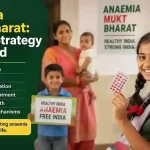
For the treatment of iron deficiency anaemia, it mostly followed three categories like diet diversification, food fortification & supplementation. Proper nutrition can prevent and reduce symptoms of iron deficiency anaemia.
The process of treatment and prevention techniques are described below –
Supplementation: Highly concentrated vitamins & minerals in the form of cap., tab. or inj. & administered as part of specific nutrition campaigns.
Dietary diversification: Encouraging consumption of micronutrient-rich foods (GLV, lentils, and vitamin C-rich fruits) – which may be available but underutilised by deficient populations
Food fortification: Addition of micronutrients to processed foods. In many situations, this strategy led to improvements in the micronutrient status of a population & at a very reasonable cost, especially if advantage is taken of existing technology & local distribution networks.
Ministry of H & FW’s Revised Strategy: Food-based approaches (food fortification & dietary diversification) are direct & sustainable strategies for preventing IDA.
It is difficult to influence dietary behaviour, as diets in India are primarily cereal-based &
Bioavailability of iron is limited. On the other hand, bioavailability from dietary animal
sources is better, but consumption is rather low due to social reasons & poverty.
In such a scenario, a key step towards addressing IDA would be the provision of IFA.
supplementation & therapeutic management of mild, moderate, and severe anaemia in
most vulnerable groups: children, adolescents, pregnant & lactating mothers & women.
When to See a Doctor About Low Iron
Important reminder about self-diagnosis
We have already discussed the category of anaemia according to the level of Hb in blood, likely mild, moderate and severe.
Severe symptoms of iron deficiency anaemia require immediate medical attention for proper medical intervention. For medical intervention depends on some physical circumstances; these are described below:
Issue of Health –
Observation indicates a heartbeat that is fast and irregular.
Issue of Pregnancy –
In pregnant people, serious iron deficiency anaemia has been linked to babies born too early and weighing too little at birth.
In the period of pregnancy, a serious iron deficiency is manifested in mothers, and it becomes more serious when the mother is a teen. In both cases, born babies are very low birth weight and premature delivery.
Issue of Growth:
The growth and development of an iron-deficiency anaemic child is seriously hampered. Most of the children manifested in stunted or delayed development.
Preventing Iron Deficiency Anaemia
A proper structural prevention strategy can eliminate symptoms of iron deficiency anaemia.
Strategies for prevention & control of IDA
• Supplementation
• Improved health services
• Infection Control: deworming, prevention of malaria, etc.
• Food-based Strategies
• Dietary diversification
• Food
Supplementation through the Life Cycle
In respect of supportive service about supplementation, the Govt. of India had taken a flagship initiative for the prevention of iron deficiency anaemia among the adolescents and children of India.
The Govt. of India had launched a programme in convergent mode comprising three different ministries, like Health and Family Welfare, Mother and Child and Social Welfare and the Ministry of Education.
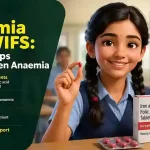
With the dedicated contribution of all three ministries of science in 2012, the Govt. of India launched WIFS (Weekly IFA Supplementation for Adolescent Girls & Boys) and NIPI (National Iron Plus Initiative).
Under the WIFS programme, adolescence ages ranging from 10 to 19 years are considered, and under the NIPI programme, considerable age groups are 6 months to 5 years and 6 to 10 years.
The target beneficiaries under the WIFS programme are all school-going children and school dropout girl children. Students can access this service from school, and out-of-school girls can access it from AWC (Angan Awardy Centre).
Govt. of India 12th Five Year Plan: Reducing anaemia among women and girls by 50% (28% by 2017) But this is very unfortunate; till now we are running far behind our target.
Objectives of the Programme –
To reduce the prevalence and severity of nutritional anaemia in the adolescent population (10-19 years).
Approach of Interventions –
Provide weekly Blue IFA (100 mg elemental iron and 500 μg folic acid) round the year.
De-worming (Albendazole 400 mg) every six months
Screening and Referral
Nutrition & Health Education counselling
Process of implication-
For Children (under the NIPI programme)
6-60 months: IFA (20 mg Fe/100 mcg F/A) administered biweekly, on fixed days, under direct supervision of ASHAs/ANM
For the age group (5-10 yrs): Weekly IFA (45 mg Fe/400 mcg F/A) at AWC & through schools
For the age group of Adolescent (10–19 years)-
Weekly IFA (100 mg Fe/500 mcg F/A) supplementation (WIFS) for both adolescent boys & girls in govt/govt-aided/municipal schools & AWC (out of school)
For the reproductive age group
Weekly IFA (100 mg Fe/500 mcg F/A) to be distributed by ASHA during doorstep delivery of contraceptives throughout the reproductive period.
Pregnant & lactating women –
Daily IFA (100 mg Fe/500 mcg F/A) for 100 days in pregnancy.
Followed by a similar dose of IFA for 100 days in the P-P period, as part of the ANC/PNC package, at all levels of HF, SC & outreach.
Interventions –
Fixed day, fixed site
Weekly Blue IFA (100 mg elemental iron and 500 μg folic acid) round the year
De-worming (Albendazole 400 mg) every six months
Screening and Referral
Nutrition & Health Education counselling
Are there any side effects of iron tablets?
There are no serious side effects of IFA tablets. However, by taking these tablets, the patient may have some minor problems.
By consuming iron tablets there can be black stool. Besides this, by taking these tablets, mild nausea, burning sensations in the chest and abdomen, diarrhoea or constipation can occur.
However, these problems are harmless and temporary, and on continuing iron tablets, the problems may disappear in a few days.
The GoI-UNICEF study (2013-14) shows incidences of facing any undesirable effects reduced to only 3% by 3rd weekly IFA consumption.
It is recommended that to prevent such problems, the iron tablets should be taken after a meal.
Why is folic acid added to iron tablets?
Folic acid is essential for the formation and maturation of RBCs as well as for cell growth and repair.
Therefore, it plays a very important role in the production of haemoglobin. Mostly folic acid deficiency is found, along with iron deficiency, in our food.
If there is a deficiency of folic acid in the mother during the initial stage of pregnancy, then it affects the development of the nervous systems of the foetus.
During the first 17-30 days of pregnancy, if the process of joining of the brain, spinal cord, and spinal column remains incomplete, then the nervous system is severely affected. This may result in foetal death or permanent defect after birth (congenital defects).
Daily Iron Requirements by Age and Gender
| Age Group | Gender | Recommended Daily Allowance (mg) |
| Infants (7–12 months) | Both | 11 |
| Children (1–3 years) | Both | 7 |
| Children (4–8 years) | Both | 10 |
| Boys (9–13 years) | Male | 8 |
| Girls (9–13 years) | Female | 8 |
| Boys (14–18 years) | Male | 11 |
| Girls (14–18 years) | Female | 15 |
| Pregnant | Female | 27 |
| Breastfeeding | Female (14–18) | 10 |
Lifestyle Tips for Maintaining Healthy Iron Levels
In the above discussion we have discussed the different aspects of the occurrence of iron deficiency anaemia and its prevention. Initially, anaemia is not a dreadful disease, but this gives you so many warning signs for the happening of various chronic diseases.
Like the prevention of other diseases, accept medical intervention and lifestyle modification, and also foster the prevention of anaemia through the practice of healthy hand washing, participation in the WIFS programme, involvement in the deworming programme, not walking with bare feet, and intake of iron-rich food.
Conclusion: Listen to Your Body’s Warning Signs
Listen to me, when our body does not perform its metabolic function properly, then the body sends some signals for realization that something is wrong.
If those feelings are constant tiredness, paleness, shortness of breath, feelings of irritability and cravings for ice, that means your body is asking for help. You may be suffering from iron deficiency anaemia.
This is a fortunate intimation that iron deficiency anaemia is totally treatable and preventable.
For the prevention of anaemia, you have to modify your diet, pal, by including leafy green vegetables and focusing on the intake of iron-rich foods.
Guava may be considered a helpful fruit for the prevention of anaemia. As a supplement, you may take an IFA tablet or intravenous (IV) iron to meet your iron deficiency. Enrolled your name in the WIFS programme as beneficiaries.
Always remember you are not alone in this group. If you experience any of the above-mentioned symptoms of a sigh, then consult your medical practitioner or any health professional.
A simple blood test reveals your situation and helps you to prepare to fight with anaemia and make a plan for prevention.
Through this article we appeal to all adolescent boys and girls, along with parents, to give attention to your diet plan, like the academic curriculum. Academic performance cannot possibly be made desirable in an anaemic condition.
So every student gives attention to the WIFS programme in your schools. Intake of supplementary IFA tablets is your own responsibility. One IFA tablet/week can prevent iron deficiency anaemia.
- FAQs on symptoms of iron deficiency anaemia
What are the symptoms of anaemia and iron deficiency?
Symptoms of the people living with iron deficiency anaemia are manifested by fatigue, weakness and shortness of breath, especially with exertion.
At the same time, some signs are clearly manifested by headache, dizziness, cold hands and feet, pale skin, and rapid heartbeat.
Some behavioural changes are found among the anaemic person, like craving some non-food items like ice or dirt (pica).
What are the causes of anaemia and iron deficiency?
The occurrence of iron deficiency anaemia depends on several factors, which are described as below:
Insufficient Iron Intake
Loss of blood at the time of heavy menstruation
Ulcertaion , gastritis (inflammation of the stomach), esophagitis (inflammation of the esophagus
Use of medication like aspirin, ibuprofen,naproxen sodium can cause of internal bleeding
Other causes of anaemia not related to iron include nutrient deficiencies (like vitamin B12 and folate), chronic diseases, infections, inflammation, and inherited disorders affecting red blood cells.
Aanemia may be appeared without involvement of iron deficiency like deficiency of VitaminB12,folate, infection , some chronic diseases, and inflammation .
What are the symptoms of iron deficiency without anaemia?
Manifesting the symptoms of iron deficiency without anaemia as follows:
Fatigue
Weakness
Making it difficult to concentrate on study and academic performance.
Feeling of irritability.
Decrease of exercise capacity.
Other remarkable signs are found in this case, like-
Restless legs syndrome
Hair loss
Craving for non-food items like ice (pica)
What are the symptoms of severe iron deficiency without anaemia?
Severe iron deficiency without anaemia is manifested by fatigue, weakness, low concentration in study and poor academic performance, increased irritability, lower capabilities of exercise, headache, cold sensation in foot and leg, hair loss, brittle nails, and unexpected cravings like pagophagia.
Unlike this, restless leg syndrome, sore or swollen tongue and feeling of shortness of breath
What is the treatment for iron deficiency anaemia?
The most effective treatment for Symptoms of Iron Deficiency anaemia involves more intake of iron-rich food and intake of iron supplementation by oral or intravenous (IV) means as needed.
This process mainly followed blood loss or surgery.
What are the clinical manifestations of Symptoms of Iron Deficiency Anaemia?
Clinical manifestations in Symptoms of Iron Deficiency Anaemiaare likely weakness, fatigue, pale skin, shortness of breath, and headache.
The most identifiable clinical signs are brittle nails, hair loss, pica (cravings for non-food items like ice), a sore tongue, and a sensation of cold in the hands and feet. The severity of symptoms often correlates with the severity of the anaemia.
What exactly is iron deficiency anaemia?
When our body does not have adequate iron to produce haemoglobin to carry the oxygen through every tissue of our body, it is not proper.
As a consequence, then, our bodies face some problems like fatigue and other ill symptoms.
The entire complete scenario is called iron deficiency anaemia. Hemoglobin is itself a protein of red blood cells. This is a very simple equation: less hemoglobin in the body means insufficient oxygen in the body.
Who is most at risk for developing iron deficiency anaemia?
The most vulnerable age group belongs in Symptoms of Iron Deficiency Anaemia, followed by –
Women of reproductive age (15-45 years),
Pregnant and lactating women,
Adolescent girls (10-19 years), and
Young children (6-24 months)
In India one out of two adolescent girls and one out of three adolescent boys belong to the vulnerable consideration of iron deficiency anaemia, which leads to the significant health concern.
How Symptoms of Iron Deficiency Anaemia is diagnosed?
There are a number of signs and symptoms that are considered for the diagnosis of iron deficiency anaemia, but only confirmation is made through tests of blood, including Complete Blood Count (CBC), ferritin test (to check iron stores), total iron binding capacity, and transfer in saturation.
What foods should I eat to increase my iron levels?
The prevention of iron deficiency anaemia is only through the intake of iron-rich food like meat, eggs, leafy green vegetables (spinach, methi, and colocasia leaves), dals, soya beans and iron-fortified foods.
Making the enhancement of the functioning of iron and increasing the absorption of iron in the body, in regard to vitamin C, have a crucial role. So lemon, amla, guava, and oranges should be taken in along with iron-rich food. Keep away from drinking tea or coffee in huge amounts because these inhibit iron absorption.
What is the WIFS programme, and who can benefit from it?
Weekly Iron Folic Acid Supplementation (WIFS) is the flagship approach of the govt. of India through the Ministry of Health and Family Welfare, for the prevention of iron deficiency anaemia for adolescent boys and girls.
Through this programme, one (01) blue IFA tab is distributed for every student in schools or dropout student in the age group of 10 to 19. One blue IFA tab comprising 100 mg dried ferrous iron and 500 μg folic acid.
Reference
2. World Health Organization (WHO)
3. Centers for Disease Control and Prevention (CDC)
4. National Institutes of Health (NIH)
5. National Library of Medicine (NLM)
6. Mayo Clinic
9.Indian Council of Medical Research (ICMR)
10. National Institute of Nutrition ( NIN)
11. UNICEF – Nutrition & Anemia Resources
12. RKSK – Rashtriya Kishor Swasthya Karyakram
13. Weekly Iron Folic Acid Supplementation(WIFS)
15.WIKIPEDIA

RELATED POST







https://shorturl.fm/VaveV
please clear me sir, what thing you wish to say
Very good content
Thanks for sharing. I read many of your blog posts, cool, your blog is very good.
Can you be more specific about the content of your article? After reading it, I still have some doubts. Hope you can help me.
Your article helped me a lot, is there any more related content? Thanks! https://accounts.binance.bh/register/person?ref=QCGZMHR6
Your article helped me a lot, is there any more related content? Thanks!
Thank you for your sharing. I am worried that I lack creative ideas. It is your article that makes me full of hope. Thank you. But, I have a question, can you help me?
I don’t think the title of your article matches the content lol. Just kidding, mainly because I had some doubts after reading the article.
Can you be more specific about the content of your article? After reading it, I still have some doubts. Hope you can help me.