
Discover a complete 7-day Indian diet plan for diabetic patients with food charts, meal timings, and expert tips.
Author Description
Sajal Samanta is an anthropologist with specialized expertise in diet, nutrition, and non-communicable diseases (NCDs). His work focuses on the intersection of food habits, cultural practices, and lifestyle-related health conditions. With a strong background in community health and evidence-based nutrition, he creates informative, accessible content aimed at improving public awareness and promoting healthier dietary choices across diverse populations.
Peer Review & Content Validation
Dr. Biswajit Malakar – MD, Community Medicine
Specialist in Community Medicine and Diabetes, with extensive experience in population health, preventive care, and metabolic disease management.
Swastika Miaty – Registered Nutritionist
Expert in clinical nutrition and dietary planning, contributing evidence-based nutritional review to ensure accuracy and practical relevance

Medical Disclaimer:
The information provided in this article is for educational and informational purposes only and is not intended as medical advice. It should not be used as a substitute for professional diagnosis, treatment, or guidance from a qualified healthcare provider. Always consult a doctor, dietitian, or other certified health professional before making changes to your diet, nutrition plan, or lifestyle, especially if you have existing medical conditions

Manage blood sugar naturally with simple, balanced meals.This comprehensive 7-day Indian diet plan for diabetic patients helps manage blood sugar naturally with balanced meals, proper timing, and expert nutrition tips. Through this content, the author tries to explore the Indian diet plan mechanism exclusively from the context of the Indian scenario. Making this diet plan mainly focused on portion control mechanisms and plate methods. The unique approach of this content author also gives attention very adequately to some issues like
i) Diabetes Meal Prep & Batch Cooking
ii) Budget-Friendly Diabetes Meals
iii) Cultural & Ethnic-Specific Diets
iv) Restaurant & Eating Out Strategies
v) Psychological & Behavioural Aspects
I think you will benefit more and become more enriched from other content.
Understanding Diabetes and the Role of Diet
Following a structured 7-day Indian diet plan for diabetic patients ensures you get the right nutrients while keeping your glucose levels stable. Generally, diabetes mellitus is a long-term chronic condition in the human body where it is manifested by a level of blood sugar that is comparatively high rather than normal due to our body not being able to produce the insulin hormone in an adequate amount or not being able to utilise it properly.
In this context diet plays a very crucial role in managing the blood sugar level because of insufficient insulin factors.
In India the habitual practice of food intake is very significant in daily life as well as seasonal, along with different festivals.
Every ethnic community has their own food choice. So, managing this diabetic condition always keeps these factors for planning a 7-day Indian diet plan for diabetic patients.
For making significant outcomes, it should be incorporated with proper medication and regular exercise.
What Is Diabetes and Why Does Diet Matters
Simply, diabetes is a chronic state of high blood sugar level in the body due to the malfunctioning of insulin, which is already clarified. According to the signs and symptoms of the disease, it can be classified into basically three types, like diabetic type 1, type 2 and gestational.
Type 1 diabetes, as an autoimmune disease, attacks the pancreas in our body and induces it to produce less or no insulin.
Type 2 diabetes is very common, where the body does not secrete insulin in adequate amounts or cannot use it properly.
Gestational diabetes is a situational phenomenon; it appears in the time of the gestational period, and after delivery, it disappears automatically.
Our body constitutes an enormous number of cells which are functioning uninterruptedly through continuous support of glucose.
It is the simplest part of a carbohydrate. In any form (simple or complex), carbohydrates are present in every diet. Here insulin acts as a catalyst to produce the glucose from carbohydrates. Glucose is the energy of every cell of our body.
Without insulin or with an inadequate amount, it can hamper glucose consumption.
Proper management of diabetes diets is a very crucial component for it. A comprehensive, well-planned 7-day Indian diet plan for diabetic patients can prove its proper management through the control of blood sugar level and bodyweight.
Some parameters are very important at the time of plan preparation, such as meal timing, portion control, age, occupation, daily life, comorbid conditions, caste, ethnicity, geographical region, and socioeconomic condition. Plans should be made in respect of carbohydrates, proteins, fats, fibre, vitamins, minerals, antioxidants, hydration, etc.
For desirable outcomes, physical exercise, a healthy lifestyle, adequate sleep, and giving up smoking and alcohol are necessary.
Whenever excessive glucose is sustained in the body for a long period, it can harm our different organs very effectively.
How Indian Foods Affect Blood Sugar Levels
A comprehensible 7-day Indian diet plan for diabetic patients based on Indian foods, applying to control the blood sugar level of any diabetic patients, is measured through the Glycaemic Index (GI) of foods, followed by the ingredients of the diet and the timing of meal intake.
According to the spike of glucose present in the blood, it is classified into two types, like high GI and low GI. High-GI foods like white rice and refined flour can spike the glucose in the blood very quickly, and low-GI foods like millets and legumes promote increasing glucose in the blood very slowly.
Understanding GI Values:
- Low GI (0-55): Best choices – slow, steady blood sugar rise
- Medium GI (56-69): Moderate impact – consume with protein or fat.
- High GI (70+): Limit these – they cause rapid blood sugar spikes.
- Some mostly used common Indian foods and their GI index:
- White rice (GI 73). Brown rice (GI 68). Cauliflower rice (GI 15).
- White bread (GI 75). Whole grain bread (GI 51). Sprouted grain bread (GI 43).
- Steel-cut oats (GI 55). Oatmeal (GI 79)
- Lentils (GI 32). Chickpeas (GI 28)
- The Glycaemic index of Indian staples
- High-GI Indian foods: Spike blood sugar level very quickly after consumption.
- Refined grains: white rice, naan, and maida-based foods like bakery bread and biscuits.
- Starchy vegetables: potatoes.
- Sweets: Jalebi and other sugary desserts.
- Medium-GI Indian foods: Rate of spike of blood sugar at a moderate level after consumption.
- Whole wheat roti: The GI value is typically in the medium range (56–69).
- Idli and dosa: Fermentation can lower the GI, but variations exist based on ingredients and preparation.
- Low-GI Indian foods: spike the glucose in the blood very slowly after consumption.
- Millets: Ragi, jowar, and bajra are rich in fibre.
- Legumes and pulses: moong dal, urad dal, chickpeas (chana), and rajma.
- Non-starchy vegetables: spinach, bitter gourd (karela), and cauliflower.
- Dairy: Paneer and unsweetened curd.
Essential Principles of a 7-day Indian diet plan for diabetic patients
- Carbohydrate Control:.As far as the Glycaemic Index is concerned, to prevent the rapid spikes in blood glucose, it is better to choose complex carbohydrates like legumes, vegetables, and whole grains.
- Fibre-Rich Foods: High-fibre foods promote the absorption and regulation of glucose very slowly.
- Lean Proteins:. For satisfactory development of muscle health, lean protein is the best contributor of food, like legumes, fish, poultry products and tofu.
- Healthy Fats: Healthy fats contribute to improving heart health, stabilising blood sugar, and reducing inflammation; they should be incorporated into the diet plan. Some monounsaturated and polyunsaturated fats, like nuts, seeds, and olive oil, may be considered.
- Portion Control: Moderate portions of meals contribute to maintaining body weight and calorie intake in respect of 7-day Indian diet plan for diabetic patients.
- Regular Meal Timings: Real-time meal intake contributes to stabilising the blood sugar level throughout the day.
Key Nutrients Every Diabetic Should Know
Balanced Macronutrients:
- In the 7-day Indian diet plan for diabetic patients consisting of carbohydrates, proteins, and fats, every macronutrient of each category plays a significant role in managing blood sugar.
- Carbohydrates: Complex carbohydrates signify a low glycaemic index.
- Proteins: Included chickpeas, lentils, fish, and chicken as lean protein.
- Fats: Considered nuts, seeds, mustard oil, and olive oil for diet inclusion as healthy fats.
- Fibre-Rich Foods: vegetables, fruits, whole grains, and legumes are to be incorporated into your diet plan as fibre-rich foods.
Foods to Include in 7-day Indian diet plan for diabetic patients
Whole Grains and Complex Carbohydrates
Managing the diabetic whole grains like wheat, oats, barley, whole wheat, quinoa, millets like bajra, jowar, ragi, and brown rice and complex carbohydrates like different vegetables are to be incorporated in the diet chart to promote the stabilization of the blood sugar level and provide vitamins and minerals.
Protein-Rich Foods for Indian Diabetics
Protein Source : Protein foods like tofu, lentils and beans contribute protein and fibre, which promotes stableblood sugar.
Vegetables, and Legumes for Blood Sugar Control
Stabilisation of blood sugar level and overall well-being, and incorporation of non-starchy vegetables like spinach, broccoli, cauliflower, kale, bell peppers, and bitter gourd contribute vitamins, minerals, and fibre. Which promotes easy digestion.
Healthy Fats and Oils
For a healthy heart and overall well-being, the incorporation of healthy fats like avocado, nuts, seeds, and olive oil is essential. Healthy monounsaturated fats and antioxidants fosterinsulin sensitivity and reduce inflammation.
Low-Glycaemic Fruits for a 7-day Indian diet plan for diabetic patients
- In a healthy diabetic diet plan, low-GI index fruits like berries, oranges, apples, and guavas.
- Berries provide fibre and antioxidants.
- Apples provide fibres.
- Oranges provide vitamin C.
- Guava provides fibre and essential nutrients.
- All of these support stabilising the blood sugar level and overall health.
Foods to avoid in a 7-day Indian diet plan for diabetic patients
- Making the list of foods to avoid for diabetics, the following ethics are to be followed.
- Healthy Foods: Practiced to be consumed in moderate amounts or as needed.
- Neglecting Nutritional Labels: Obtaining a clear perception regarding the nutritional level of foods.
- Skipping Meals:. It’s a wrong perception to reduce sugar in blood.
- After considering these ethics, some foods are to be avoided-
- Sugar: Sweets, any beverage, pastries, candies, carbonated drinks, and sweetened snacks and processed snacks.
- Refined Flours: Maida-based bread, pasta, or biscuits.
- Fried Foods: Samosas, pakoras, or chips.
- Excessive Fruit: Mangoes, grapes, and chikus (high in natural sugars).
- Refined Grains: white rice, white bread, and processed flour products
- High-fat Dairy: full-fat milk, cheese, and cream
- Fried Foods: samosas, pakoras, and deep-fried snacks
- Excessive Salt: pickles, processed meats, and canned soups,
Complete 7-Day Indian Diet Plan for Diabetic Patients

Preparation for making a plan The 7-day Indian diet plan for diabetic patients basically focuses on a balanced diet accompanied by complex carbohydrates and lean protein added with fibre. Which helps to manage blood sugar level.
Consult with your healthcare provider and dietician at the time of plan making, and also consider health condition, lifestyle and preference. In this plan the control portion is maintained by plate methods. Monitoring glucose on a regular basis.
The plate method followed by timely meal intake, don’t skip breakfast, and early dinner intake including healthy shanks. Preferred to choose low-GI foods like steaming or boiling associated with proteins and fibre, and limit portion sizes.
Meals should include fiber-rich in a 7-day Indian diet plan for diabetic patients, foods and spices like cinnamon and methi, for improving insulin sensitivity and stabilizing glucose in the blood.
How to Use This Diet Chart for Diabetic Patient
Effective use of the 7-day Indian diet plan for diabetic patients means strictly following balanced portions, timely food intake and staying hydrated.
Portion control promotes the prevention of blood sugar spikes by following the plate method, comprising half non-starchy vegetables, one-quarter lean proteins, and one-quarter complex carbs. Avoid overeating; eat meals slowly.
Meal timing is the same considerable point; never skip a meal, and always try to eat every 3-4 hours. Dinner should be complete before 8 p.m. for fostering better sugar control.
Keeping hydrated plays a crucial role in 7-day Indian diet plan for diabetic patients for flushing out excess sugar and maintaining healthy glucose levels in the body. Every day, I drank 8-10 glasses of plenty of water and avoided every sugary drink. Herbal teas and buttermilk can be used for staying hydrated. Following these simple habitual practices promotes balance, healthy sugar levels, healthy weight and overall wellbeing.
Keeping the diversity of Indian food culture associated with diversified ethnic communities and different dimensional geographical areas, the 7-day Indian diet plan for diabetic patients has been prepared for the benefit of diabetic patients to stabilise the blood sugar level and overall wellbeing.
A diet plan is made as per the patient’s socioeconomic condition, i.e., available and affordable condition, and the control portion and plate method.
Day 1: Monday 7-Day Indian Diet Plan for Diabetic Patients
| Sl. No | Food Roster | Time | Food intake |
| 1 | Early Morning | (6:00 – 6:30 AM) | Fenugreek water, green tea options |
| 2 | Breakfast | (8:00 – 9:00 AM) | One cup vegetable upma with oats, Or 2 Moong Dal Chillas with Mint Chutney |
| 3 | Mid-Morning Snack | (10:30 – 11:00 AM) | 2-4 serving fruits and about one ounce ( a small handfull or 28 grms) of unsolted nuts combination. or 1 small Apple Or 1 small apple with a handful of almonds |
| 4 | Lunch | (1:00 – 2:00 PM) | 2 multigrain chapatis, dal, vegetable curry, salad, curd – with portions Or 2 multigrain rotis, Or 1 bowl of mixed vegetable curry, 1 bowl of dal, and a cucumber and tomato salad. |
| 5 | Evening Snack | (4:00 – 5:00 PM) | About 30 grms Roasted chana or makhana options Or Black or green tea with roasted chana or sprouts |
| 6 | Dinner | (8:00 – 9:00 PM) | One cup cooked Brown rice/ 1-2 small size bajra roti, grilled paneer/fish, vegetables with 1/2 cup Sprouted Moong Or 2 Multigrain Rotis, 1 cup Bharwa Bhindi, |
| 7 | Bedtime | (10:00 PM) | Turmeric milk or herbal tea |
Day 2: Tuesday 7-Day Indian Diet Plan for Diabetic Patients
| Sl. No | Food Roster | Time | Food intake |
| 1 | Early Morning | (6:00 – 6:30 AM) | Fenugreek water, green tea options |
| 2 | Breakfast | (8:00 – 9:00 AM) | Two medium size ( approx. 60 grm) Moong dal chilla with mint chutney Or 1 bowl or 1 cup of vegetable oats upma with veggies and unsweetened tea |
| 3 | Mid-Morning Snack | (10:30 – 11:00 AM) | 1 small Orange |
| 4 | Lunch | (1:00 – 2:00 PM) | 2 jowar rotis with 1 bowl of palak paneer with ½ cup rajma and a side salad/ Or 2 small or medium size Jowar roti, One msall bowl or ½ cup mixed dal, 1 cup or 1 medium bowl vegetable curry, 1 samll bowol or 1 cup raita |
| 5 | Evening Snack | (4:00 – 5:00 PM) | 1 cup Buttermilk with Roasted Cumin Or A bowl of sprouts chaat |
| 6 | Dinner | (8:00 – 9:00 PM) | ½ to 1 cup ( Approx. 150g to 250g)cooked Quinoa khichdi with vegetables Or 1 cup Brown Rice, 1 cup Mixed Vegetable Curry, 1 small bowl Dal |
| 7 | Bedtime | (10:00 PM) | A glass of turmeric milk / herbal tea |
Day 3: Wednesday 7-Day Indian Diet Plan for Diabetic Patients
| Sl. No | Food Roster | Time | Food intake |
| 1 | Early Morning | (6:00 – 6:30 AM) | Fenugreek water, green tea options |
| 2 | Breakfast | (8:00 – 9:00 AM) | 2 small Idlis with Sambar Or 2 besan chillas with mint chutneyor Or 1 medium ( around 150-180 g) cooked Vegetable poha with 1to2 tablespoons ( 10 -20 g) peanuts |
| 3 | Mid-Morning Snack | (10:30 – 11:00 AM) | 1 cup Mixed Berries Or A handful of walnuts. |
| 4 | Lunch | (1:00 – 2:00 PM) | 2 Ragi Rotis, 1 cup Soya Chunk Curry, 1 cup Cucumber Raita/ Or 1 cup Brown rice pulao, 1 cup chickpea curry, small bowel cucumber salad Or2 ragi rotis, 1 bowl of mixed lentil dal, and a bowl of vegetable sabzi with a side salad. |
| 5 | Evening Snack | (4:00 – 5:00 PM) | 1 small handful of Mixed Nuts Or 1 cup Green tea with had full roasted seeds |
| 6 | Dinner | (8:00 – 9:00 PM) | 2 Multigrain Rotis, 1 cup Matar Paneer, 1/2 cup Moong Dal Or 1 bowl of brown rice with rajma and a 1 bowel side salad Or 2 small Ragi roti, 1 cup paneer bhurji, 1 -2 cups steamed vegetables |
| 7 | Bedtime | (10:00 PM) | A glass of turmeric milk/ |
Day 4: Thursday 7-Day Indian Diet Plan for Diabetic Patients
| Sl. No | Food Roster | Time | Food intake |
| 1 | Early Morning | (6:00 – 6:30 AM) | Fenugreek water, green tea options |
| 2 | Breakfast | (8:00 – 9:00 AM) | 1 cup Vegetable Poha |
| 3 | Mid-Morning Snack | (10:30 – 11:00 AM) | 1 small Pear |
| 4 | Lunch | (1:00 – 2:00 PM) | 2 multigrain rotis, 1 bowl of chole (chickpea curry), and a bowl of mixed vegetable salad Or 2 bajra rotis, lauki sabzi, dal, salad/1 cup Brown Rice Pulao, 1 cup Mixed Vegetable Curry, 1 small bowl Curd |
| 5 | Evening Snack | (4:00 – 5:00 PM) | Roasted makhana (fox nuts ) |
| 6 | Dinner | (8:00 – 9:00 PM) | 2 Bajra Rotis, 1 cup Baingan Bharta, 1/2 cup Masoor Dal Or 1 bowl of vegetable dalia with sautéed spinach Or 1 cup cooked Barley khichdi, arrounds 3-4 aounces ( approx. 80-115g) grilled chicken/tofu, 1-1.5 cup vegetable soup |
| 7 | Bedtime | (10:00 PM) | A glass of turmeric milk/ |
Day 5: Friday 7-Day Indian Diet Plan for Diabetic Patients
| Sl. No | Food Roster | Time | Food intake |
| 1 | Early Morning | (6:00 – 6:30 AM) | Fenugreek water, green tea options |
| 2 | Breakfast | (8:00 – 9:00 AM) | 2 Paneer Bhurji with Vegetables, 1 slice Whole Wheat Toast Or 1 bowl of vegetable dalai or oats porridge |
| 3 | Mid-Morning Snack | (10:30 – 11:00 AM) | 1 small Guava |
| 4 | Lunch | (1:00 – 2:00 PM) | 2 multigrain rotis with tofu or paneer curry and a side salad Or / 1-2 small Whole wheat chapati, 1 small bowel or 1.5 cup rajma curry, 1 big bowel spinach sabzi, 1/2cup curd Or /2 Multigrain Rotis, 1 cup Tofu Curry, 1/2 cup Cabbage Sabzi |
| 5 | Evening Snack | (4:00 – 5:00 PM) | 1 cup Black or green tea with had full roasted chana . |
| 6 | Dinner | (8:00 – 9:00 PM) | 1 cup Brown Rice, 1 cup Mixed Dal, 1 cup Lauki Sabzi Or 1 bowl of brown rice with a small bowl of mixed dal and 1 cup vegetable lauki sabzi |
| 7 | Bedtime | (10:00 PM) | A glass of turmeric milk |
Day 6: Saturday 7-Day Indian Diet Plan for Diabetic Patients
| Sl. No | Food Roster | Time | Food intake |
| 1 | Early Morning | (6:00 – 6:30 AM) | Fenugreek water, green tea options |
| 2 | Breakfast | (8:00 – 9:00 AM) | 1 cup Ragi Porridge Or1 bowl of ragi porridge with flaxseeds. 1 ot 2 Idli with sambar and coconut chutney |
| 3 | Mid-Morning Snack | (10:30 – 11:00 AM) | 1 small bowl of Mixed Fruit Salad Or 1 small bowl of mixed fruit salad (berries and papaya). |
| 4 | Lunch | (1:00 – 2:00 PM) | 2 Jowar Rotis, 1 cup Chole, 1/2 cup Carrot Beans Poriyal/ Or ( Approx. 100 to 150 g)Millets upma, (approx.100-150 g) mixed vegetable curry, (50g to 100 g) sprouts salad |
| 5 | Evening Snack | (4:00 – 5:00 PM) | Black or green tea with had full roasted chana |
| 6 | Dinner | (8:00 – 9:00 PM) | 2 Multigrain Rotis, 1 cup Tofu Bhurji, 1/2 cup Tomato Rasam Or 85 to 113 g Grilled chicken or around 225 g fish with sautéed 150 g vegetables Or 1 or 2 midium size Multigrain roti, 1 to 1.5 ( approx. 100 g to 150g ) methi sabzi, 1 katori ( 50 -75 grms ) masoor dal, 1 katory ( 100 -150 grms) cucumber raita |
| 7 | Bedtime | (10:00 PM) | A glass of turmeric milk |
Day 7: Sunday 7-Day Indian Diet Plan for Diabetic Patients
| Sl. No | Food Roster | Time | Food intake |
| 1 | Early Morning | (6:00 – 6:30 AM) | Fenugreek water, green tea options |
| 2 | Breakfast | (8:00 – 9:00 AM) | 2 small Besan Chillas with Mint Chutney Or 2 small idlis with a small bowl of sambar and light coconut chutney |
| 3 | Mid-Morning Snack | (10:30 – 11:00 AM) | 1 small wedge Papaya |
| 4 | Lunch | (1:00 – 2:00 PM) | 1 cup Brown Rice, 1 cup Rajma, 1/2 cup Cauliflow Or 2 whole wheat chapatis, 150g – 250g (cooked weight)mixed dal, 100g – 150g (cooked weight) vegetable sabzi, and 75g – 100g (raw weight) a side salad Or 1/2 to 1 cup (approx. 150-200g) Brown rice, 1/2 to 3/4 cup (approx. 125-180g) mixed dal, 1 cup (approx. 100-150g) bhindi sabzi, 1 cup (approx. 100-150g) salad, 1 glass (approx. 200-250ml) buttermilk |
| 5 | Evening Snack | (4:00 – 5:00 PM) | Black or green tea with hald full roasted chana or sprouts |
| 6 | Dinner | (8:00 – 9:00 PM) | 2 Ragi Rotis, 1 cup Mixed Vegetable Curry, 1/2 cup Mixed Vegetable/1 bowl of brown rice with a serving of vegetable curry Or 1 to 1.5 cups total volume Quinoa vegetable bowl, 3 to 5 ounces (approx. 80 – 120g) grilled paneer/chicken, 1 to 1.5 cups (approx. 250 – 350 ml) tomato soup |
| 7 | Bedtime | (10:00 PM) | A glass of turmeric milk/ |
Weekly Achievement: Celebrate completing your first week with better blood sugar control!
Complete 7-Day Indian Diet Plan for Diabetic Patients at a Glance
In Indian Diabetic diet chart for diabetic patients list of Foods to be included and avoided
| Food Category | Include | Avoid |
| Grains | Considerable whole grains are to be included like brown rice, millets (preferable by Jowar, Raji and Bjra) . List to extend by choosing roti made from whole wheat and oats. | Preferred to avoid refined grains like white rice , white bread,maida based foods. |
| Vegetables | Non – Starchy vegetables like leafy greens (spinach and kale). Brocoli, bruless sprouts, cauliflowers, cucumber, bell papers and carrots may be included. | Starchy vegetables like potatoes, yams, and corn should be consumed to keeped portion method. |
| Proteins | Preferable lean protein – From animal source, Low-fat dairy (paneer, curd), fish, and skinless poultry. From vegetables source – Lentils (dal), legumes (rajma, chana). | Red meat and processed meats strictly avoided. |
| Fruits | Fruits should be incorporated by choosing low GI fruits like apple, berries, guava and papaya but in moderate amount. | High sugary fruits like mangoes , bananas and grapes. Fruit juice or pulps strictly avoided. |
| Fats | Choose health fats like nuts, seeds, avocado and mustard oil and olive oil consider in moderate amount. | Foods like fried foods ,process foods, packaged snakes and full fat dairy product are to be avoided due to presence of trans and saturated fats. |
| Beverages | Plenty water, butter milk , green tea and herbal tea. | Sugary beverages like sodas, sweetened juices, and packaged fruit juices. |
Sample Meal Ideas and Recipe Variations
- These simple meal ideas from the 7-Day Indian Diet Plan for Diabetic Patients help you maintain steady energy, better sugar control, and overall well-being.
- For diabetic patients, the Indian cooking process helps to maintain both deliciousness and health. Preparation should be focused on complex carbohydrates, lean proteins, and high-fibre foods to stabilise sugar levels.
- In diet components, refined grains (white rice and maida) should be replaced by brown rice, millets, and oats.
- In the diet schedule, lentils, beans, and non-starchy vegetables are more included, and healthier cooking methods like steaming or grilling are used.
- Also, keep the plate method and limit sugary or fried foods.
- At breakfast time, maybe try to use Besan Chilla with mint chutney, Ragi or Oats Idli with vegetable sambar, Oats Upma, or Vegetable Poha. Sprouted moong salad may be used optionally for high protein.
- At lunch, you consider multigrain roti with dal and sabzi, quinoa khichdi with curd, or brown rice pulao with vegetables.
- In addition, grilled tofu or paneer and sprout salad with lemon dressing may be introduced for high nutrition.
- For dinner, you may choose light and fibre-rich meals like Moong Dal Chilla, Methi Thepla, or Vegetable and Barley Khichdi.
- For the evening, you may consider mixed vegetable curry with ragi roti or clear vegetable soup with grilled chicken or paneer as optional.
- This simple meal idea of a 7-day Indian diet plan for diabetic patients helps you to have steady energy, better sugar control, and overall well-being.
Understanding Portion Sizes in a 7-day Indian diet plan for diabetic patients in the Indian Context

The method of portion control plays a very crucial role in managing diabetes by maintaining stable blood sugar and a healthy weight.
Estimation of portion control is measured easily through the use of hand measurement anywhere.
Your palm equals one serving of protein like fish or paneer, a fist represents one serving of cooked grains or starchy vegetables, a cupped hand measures snacks or fruits, and a thumb or fingertip helps estimate healthy fats like oil or ghee.
In this method, protein like fish or paneer, is measured as equivalent to your palm, and cooked grain or starchy vegetables are served in the same amount. Snakes or fruits are also measured in cupped hands. The use of healthy oils or ghee is also measured by fingertips.
On the other hand, Indian utensils are also used for measurement as portion control, like a small katori is used for dal or curries. A small diner plate (8-9 inches) prevents overconsumption of food.
The Indian plate method balance meal is measured, comprising half the plate of non-starchy vegetables like spinach or cabbage, one quarter of lean protein like dal and chicken, and the last quarter filled with complex carbohydrates like brown rice or millets. For the fulfillment of its balance,a little portion of fats from nuts or seeds may be added.
Practical tips should be focused on the use of whole grains, eating slowly, and the use of small dishes. Trying to stay hydrated by taking plenty of water and avoiding sugary beverages. Keeping these simple habits leads to controlling blood sugar level, managing weight and living a long-term healthy life naturally.
Habitual practice of small-sized meals, with intake every 3 to 4 hours, fosters a steady blood sugar level and supports overall health.
The effects on blood sugar and insulin are pretty significant. They help to prevent those sharp spikes in glucose levels after big meals, ease the workload on the pancreas, and enhance insulin sensitivity.
Smaller, well-balanced portions help your body release glucose and insulin steadily, which in turn allows for more efficient energy use.
Other benefits of frequent small meals include promoting stable energy through the day and cravings and hunger. This approach prevents overeating and helps to choose foods for the effective7-day Indian diet plan for diabetic patients.
Consistent low blood sugar levels promote lower risk of complications in heart health and kidney problems in the long term.
A diabetic patient feels more energetic and has healthier blood sugar through adopting this plate method.
Best Meal Timing 7-day Indian diet plan for diabetic patients
Science Insight: Chrononutrition – How meal timing affects blood sugar
Aligning the meal timing of a diabetic patient with the body’s natural rhythm helps to improve the stability of insulin and blood sugar control.
- Morning meal (breakfast): In the morning naturally the stability of insulin is lower because of the dawn phenomenon. Intake of a protein- and fibre-rich breakfast before 8.30AM promotes stabilised blood sugar and reduces the chance of spikes later.
- Afternoon meal (lunch): Eating lunch in the middle of the day gives us benefits in controlling glucose better, and if it happens late, then it happens to spike very quickly and reduce insulin efficiency. A balanced, moderate lunch maintains steady energy.
- Evening meal (dinner): Insulin sensitivity declines at night. For the prevention of high overnight blood sugar, dinner should be completed early in the night, better 2-4 hours before bedtime. Dinner plate, comprising lean protein, high-fibre carbs, and healthy fats.
- Overall meal frequency: Aim for 2–3 balanced meals a day with healthy snacks. The task should be completed within3-4 hours if needed. It can be moderate as per your guidance from the dietitian.
Foods to Add in Diet Plan for Kidney and Diabetic Patients
Special Section: For diabetics with kidney complications
Disclaimer: This information is for general guidance only and is not medical advice. Meal plans for diabetics with kidney complications should be individually tailored and supervised by a healthcareprofessional or registered dietitian.
For a diabetic with a comorbid condition, especially a kidney problem, a well-balanced diet can control blood sugar, and there should always be a limitation of sodium, potassium, and phosphorus.
If you’re following the 7-Day Indian Diet Plan for Diabetic Patients and have kidney complications, consult your doctor for personalised adjustments.
Low-potassium fruits, like berries, apples, plums, grapes, and pineapples, should be included, while bananas and oranges should be excluded.
Low-potassium vegetables are listed in the diet chart, like cauliflower, cabbage, onions, bell peppers, and broccoli, because all are enriched with fibre and nutrients without hampering the normal level of potassium.
Lean proteins like the white portion of eggs, skinless chicken, fish, tofu, and legumes may be considered for inclusion for meetupprotein. All of foods dose not hampered health kidney.
White rice, pasta, and refined breads are Low-phosphorus grains help the kidney to function easily rather than whole grains.
Olive oil and macadamia nuts are good for heart health. Using a lesser amount of sodium or sodium alternatives like herbs, garlic, lemon, and salt-free seasonings may be considered for inclusion.
Keep hydrated with kidney-friendly beverages like plenty of water and tea without sugar. Intake of limiting dark sodas and sugary drinks for better kidney and blood sugar health.
Vitamins and Supplements: What Diabetics Should Know
For diabetics, certain supplements can help correct deficiencies and support better health, but they should be taken carefully under medical guidance.
Obviously certain supplements help to meet their deficiency and promote their better health for the diabetic patients, but take care of their intake under any medical supervision about this concern.
Specific vitamins and supplements like vitamins B1, B9, and B12 are very important for enhancing the health of the nervous system and stabilising the glucose level. So at the time of preparation for making a 7-day Indian diet plan for diabetic patients must be included in this list. Metformin can reduce B12 levels, but vitamin B9 helps with insulin stabilisation, and vitamin B1 helps to stabilise the glucose level.
Vitamin D promotes busting up your immune health and reduces the risk of diabetic foot ulcers.
Vitamin E helps to protect the eye from the effects of retinopathy.
Alpha-lipoic acid, an antioxidant, helps to reduce nerve damage. Magnesium supports fostering insulin function.
Disclaimer – Before starting any medical intervention or supplement intake, you should consult with a medical professional, because excess dose or irregular supplement intake can both be harmful for your diabetic health. Focus on a balanced diet and take education under medical supervision.
Vitamins to be avoided in a 7-day Indian diet plan for diabetic patients
Warning: Always consult your doctor before starting any supplement
Certain vitamins and supplements can create an obstruction to blood sugar control for a person living with diabetes. Medical advice is essential for both the use of supplements and medical intervention.
Keep this perception. Using niacin (vitamin B3), be careful; it can raise the sugar level in the blood and enhance resistance to insulin. Excessive amounts of vitamin E can cause blood thinners like warfarin. Vitamin C can interrupt fluctuations in glucose levels in a home setup.
There are no proven benefits to supplements that contain chromium, and they may cause low blood sugar if you take them along with diabetes drugs.
Beta-carotene supplements are associated with increased risks of heart disease and cancer; St John’s Wort can interfere with the action of diabetes drugs, blood thinners and other medications.
Here are some key supplements to consider: Focusing on getting the nutrients you need from whole foods should be your first priority. Use supplements only when there is a diagnosis of a deficiency, e.g., Vitamin B12 in patients on metformin.
Make sure to always choose certified (USP or NSF) products for safety reasons and monitor your blood sugar levels carefully when introducing any new supplement in order to avoid complications.
Additional Tips for Success with Your 7-day Indian diet plan for diabetic patients
These healthy habits complement your 7-day Indian diet plan for diabetic patients and ensure long-term success.
Keep hydrated by drinking water all day; this can support resolution of sugar cravings and also healthy kidney functioning.
Test blood sugar often to know how your glucose is affected by new foods, exercise, and more so you can make wise decisions about what you eat and drink: when and how much.
Enjoy our daily activity through considering exercise like yoga, walking and light strength training for improving sensitivity to insulin, managing weight, and boosting energy.
Foods like candies, desserts, white rice, white bread, and other refined grains and pastries can spike blood sugar levels; they should be replaced by whole grains.
In your diet plan, sugary foods like deep-fried foods, high-fat snacks, and sweetened beverages should be cut back.
This healthy habitual practice of lifestyle can give you a sustainable and manageable life through steady blood sugar, better heart and kidney health and sustainable well-being.
Hydration Guidelines for Diabetes Management
Making sure our body intake is plenty of water is the best because it has no calories or carbohydrates itself. So keeping hydrated has played a crucial role in the 7-day Indian diet plan for diabetic patients.
The general recommendation for water intake is around 9 cups (2.2 litres) per day for women and 13 cups (3 litres) for men. This amount may change as per activity, climate and health condition of the person.
Light yellow or clear urine indicates good hydration. Fostering this approach, you may add some slices of lemon, lime, cucumber, or mint. Without a doctor’s consultation, taking SGLT2 inhibitors is not better for your health.
Always keep a distance from sugary beverages such as regular soda, energy drinks, fruit juices, and sweetened coffee or tea. All these can spike the blood sugar and provide empty calories. Whether sodas and artificial sweeteners have potential for insulin sensitivity and gut health.
In this concern, herbal tea can be chosen as an alternative
A grocery shopping list should be prepared in respect of 7-day Indian diet plan for diabetic patients
A smart glossary list for an Indian diabetic diet plan focused on whole grain, lean protein, healthy fats and other low GI index food items.
Essential pantry items include especially whole grains like brown rice, oats, and quinoa. Jowar, bajra, and ragi are considered as millets. Food items like stock pluses and legumes like lentils, chickpeas, kidney beans, and soybeans are to be included in this diet plan. Olive oil, mustard oil, nuts, and seeds are to be included in this chart as healthy fats.
Turmeric, ginger, garlic, cinnamon, and cumin – these herbs and spices are to be included in a 7-day Indian diet plan for diabetic patients for flavour. Low-fat dairy products like skimmed milk, low-fat curd, and paneer are to be included in this glossary list. Sweetener food items such as stevia, coconut sugar, jaggery powder, or dates are to be considered for use at a moderate level.
Non-starchy vegetables such as spinach, broccoli, cauliflower, kale, bell peppers, carrots, cucumber, cabbage, and bitter gourd are to be included in 7-day Indian diet plan for diabetic patients as fresh produce. Choose the low GI index fruits like apples, berries, guava, papaya, and jamun as best for blood sugar management.
In this regard, it has been concluded that smart shopping tips should be focused on basically whole foods and low-fat dairy, and try to avoid items like sugar, salt and unhealthy fats from the list.
Priority has to be given to whole grain, lean protein, and healthy fats. Whole fruits are considered in moderate amounts. Using herbs and spices instead of salt or sugar for enhancement of meals.
Eating Out and Social Events are to be considered in respect of 7-day Indian diet plan for diabetic patients
A person living with diabetes can enjoy any social events with planning and mindful choices.
A short tip for placing an order in a restaurant is to check the menus in advance. If it happens to take place later than usual, then you should take a snack of small, protein-rich foods.
Modify your order by requesting sauces and dressings on the side. Preferred to like more baked, grilled or steamed dishes. In this dish you should add extra vegetables instead of starchy foods.
In this regard, the control method is measured through the plate method, sharing and boxing half your meal if needed. To keep hydrated, you may use plenty of water, sugar-free tea, and black coffee. If you are habituated to taking alcohol, choose a lower-carb option and drink a moderate amount.
Party strategies include eating a balanced snack before attending. Brings a healthy dish to share with others. The buffet should be designed as per the priority of vegetables and lean protein.
More focused on matters of socializing rather than food intake and avoiding skipping meals. For mange blood sugar you may incorporate with this programme physical activity like walking or dancing etc.
Festival food modifications involve using lower GI sweeteners like stevia or dates.
You may moderate your dish in a festive mood by choosing low GI food like stevia or dates.
While grain or millet may be considered a substitute for refined flours, it is preferred to choose baked food instead of fried. Introduce low-fat milk or healthier oils and fibre-rich foods like paneer, legumes and vegetables. Always consult your doctor or dietitian for personalised advice during special occasions.
Better Effectiveness of 7-day Indian diet plan for diabetic patients, Exercise and Medication are to be incorporated.
Important: This diet plan complements but doesn’t replace medical treatment
Keeping stable blood sugar for a person with diabetes requires a coordinated diet, exercise and medications. These are essential components of this approach and benefitoverall health.
Timely meal intake with insulin and medication can prevent dangerous fluctuation of blood sugar. In this phase insulin acts in three patterns: rapid (10-15 minutes before a meal), short (20-30 minutes before a meal), and long (at a consistent time daily).
In this concern some medications are consumed orally, like metformin at the time of meal intake, and others, like sulfonylureas, are taken before eating.
Pre-workout nutrition focused on safe energy levels. Monitor your blood sugar level 15 to 30 minutes before exercise. If the measurement indicates it belongs in 100 mg/dL, then you take a small carb snack. For long workouts, you are always accompanied by fast-acting carbs. To avoid hypoglycaemia, you should consult a doctor for adjustment of insulin.
Post-workout nutrition accentuates recovery and stable glucose. Blood sugar has to be monitored for several hours after exercise with intake of carbs and protein, and you have to keep hydrated by taking in plenty of water.
Foundational principles include maintaining consistent meal timing, using the plate method with vegetables, lean protein, and high-fibre carbs, and working closely with your doctor to personalise medication and exercise plans. This approach supports safe, effective diabetes management.
Foundational principles consist of timely meal intake and using the plate method, followed by vegetable, lean protein, and high-fibre carb intake. Personalised medication and exercise plans have to be made as per your doctor’s advice. This comprehensive approach can create a positive impact for diabetic management.
Understanding Glycemic Index in Indian Foods
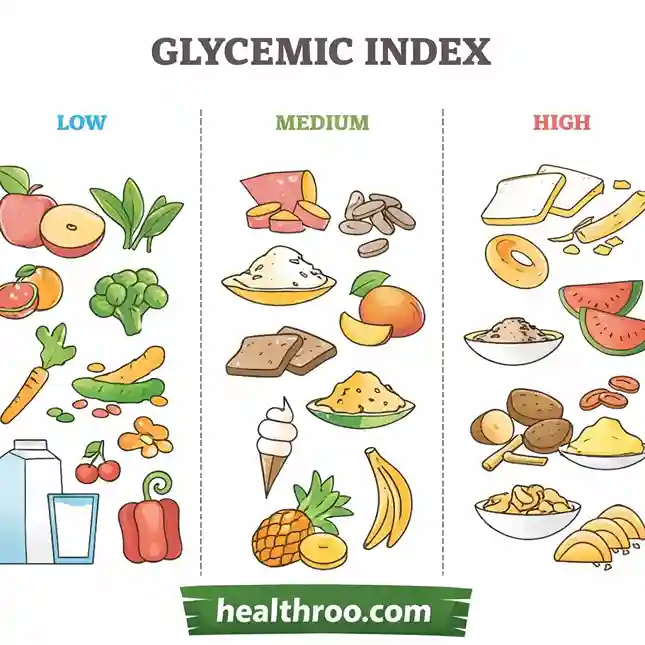
The Glycaemic Index (GI) simply means an indicator for measuring the ranking of foods on how they raiseblood sugar in a range from 0 to 100 after consuming foods.
Understanding the GI scale –
Low GI foods (55 or less) are characterised by slow digestion, a slow rise of blood sugar level, and are most effective for diabetic management.
Medium GI foods (56-69) are characterised by raising the blood sugar to a moderate level.
High GI foods (70 or more) are mostly consideredquick designation and rapid spike blood sugar level.
Factors are affecting GI in Indian foods –
There are several factorsinvolved for categories of GI level, like food processing, types of foods like protein, fibre, fat, and cooking times, the ripening process, and after-preparation methods. All processed foods like white rice and refined flour are considered high-GI foods. Fibre-enriched foods, protein, and healthy fats are considered low-GI foods.
Prolonged periods of cooking can enhance GI, and on the other hand, fermentation can lower it.
Smart food choices for diabetic Indian diets incorporate low-GI grains such as brown rice, millets like ragi and bajra, and whole wheat flour.
Legumes like chickpeas, lentils, and beans are excellent foods for their enrichment of fibre and protein. Steaming or boiling is preferable to frying, and portion control is important, as even low-GI foods can raise blood sugar if eaten in excess.
Preference should be given to steaming and boiling to replace frying items. In the portion control method has to be given equal importance as, like others, excess eaten low GI food can raise blood sugar. So GI is a very important concern in the 7-day Indian diet plan for diabetic patients.
Vegetarian vs. Non-Vegetarian Diabetic Diet Plans
As far as diabetic diet plan is concern , both vegetarian and non-vegetarian diets can provide adequate protein in respect of lean, and unprocessed source. Through which it can control of our body weight and stabilize blood sugar in consisting manner.
The fundamental distinction in between is source of origin and associated with lean protein. Vegetable protein enrich with fiber and lower saturated fats on the other hand non- vegetable source of protein rich with saturated fat and cholesterol.
Protein source comparison in 7-day Indian diet plan for diabetic patients.
List of diet Sources of Vegetarian Protein and considerable alternatives .
| Category | Vegetarian Protein Sources | Alternatives and Considerations |
| Legumes | Prime source- beans, chickpeas , lentils, edamame and peas. | Both, Prevention of blood sugar spike and slow down of glucose absorption, legumes is most helpful foods to do this because food containing with high fibers. Always rinse canned beans to reduce sodium. |
| Soy Products | Tofu, tempeh, and soy-based meat alternatives are the rich source of protein. | Choose the alternative of soya product as prepared by minimally process and added sodium in approved level. |
| Nuts & Seeds | Preferable to be included nuts and seeds like Walnuts, chia seeds, almonds and pumpkin seeds | All of them rich in fiber, protein, healthy fats but use it in moderate quantity due to present of high calories content . Preferred to choose in unsalted condition. |
| Dairy | Homemade cheese , low fat yogurt and skim milk. | Low fat yogurt is the excellent source of protein but use it without any added sugar. |
| Grains | Amaranth, Quinoa and buckwheat grains are to be included in this diet chart. | Preferred to use in whole grain form instated of over refined .Whole grain form helps to manage blood sugar effectively. |
| Eggs | Eggs are high quality protein sources for the lacto- ovo vegetarian . | If diabetic patients is not concern with cholesterol then it is to be consider as high quality source of lean protein but in moderate amount. |
| List of diet Sources of Non- Vegetarian Protein and considerable alternatives. | ||
| Category | Non-Vegetarian Protein Sources | Alternatives and Considerations |
| Poultry | Among poultry foods , skinless chicken and turkey breast are rich source of lean protein. | Skinless poultry foods are content with low fats significantly. Better outcomes followed by cooking process likely grilling , baking or roasting instated of frying. |
| Fish & Seafood | Salmon, mackerel, sardines, herring, tuna, cod, and shrimp are to be considered as high rich of lean seafood protein . | Sea fatty foods are excellent source of omega 3 fatty acids which is helpful for better heart health. Avoid fried fish. Choose fish canned in water over oil |
| Red Meat | Sirloin, flank steak, tenderloin, ham, and lamb are the red meat for prime source of protein. | Keep potion control method sticky followed due to presence of high saturated fatty acid and sodium. Remove trim visible fats before cooking as alternatives. |
| Eggs | Whole eggs are the prime source of protein in versatile manner. | In whole egg , white portion are source of lean protein and low fats. If diabetic patient is not concern with cholesterol then make plan for balancing whole eggs intake. |
| Dairy | Low fat Greek yogurt, cottage cheese, and milk are significant source of protein. | For vegetarian diary foods are the top alternatives of veg. diet. It also useful for veg. and non Veg. dietary person. |
| Game | Under this category significant contribution of protein derives from venison,bison and ostrich. | All these foods are cahrectarised by rich source of lean protein and low fats content. |
Important considerations for both diet plans:
- Portion control: Keep mange the body weight and blood sugar level in consisting way , protein Portion control method is very crucial as far as source is concern.
- Variety: Different dimensional protein source promotes to make ensure to collect all essential amino acid and different nutrients.
- Cooking methods: Opt for healthy cooking methods like grilling, baking, boiling, and roasting, and avoid frying. Making health effective diet plan for dietetic patient cooking methods is very important factor for desigerable outcomes of diet planning. Most effective method may be grilling, baking, boiling, and roasting and try to avoided frying.
- Professional guidance: It is always best to consult a registered dietitian or healthcare provider to develop a personalized meal plan tailored to your specific health needs.
Regional Variations of a 7-day Indian diet plan for diabetic patients.
North Indian Diabetic Meal Adaptations
A diabetic North India 7-Day Indian Diet Plan for Diabetic Patients focused mainly spotlights the choice of smart ingredients and cooking methods, which leads to the control of the blood sugar level.
Adaptation with staple foods by choosing to incorporatefoods like whole wheat or multigrain wheat torefined flour. Portrayed on brown rice, millets, or barley instead of white rice.
Vegetable adaptations with non-starchy vegetables like spinach, cauliflower, fenugreek, and bitter gourd are to be icluded in 7-Day Indian Diet Plan for Diabetic Patients in dried form. Sometimes they are considered to take foods like starchy vegetables like potatoes in moderate figures in baked or roasted form.
Protein adaptations emphasiseanimal proteins like low-fat dairy, lean meats like skinless chicken and fish, and plant-based proteins like legumes, beans, tofu, and soya paneer dishes.
Cooking adjustments are accommodated by considering the use of healthy oil like Master Oil or olive oil at the recommended level and adopting cooking methods like baking, grilling or steaming. Always avoided deep frying. They used to like spices like turmeric, fenugreek, and garlic for the enhancement of taste.
Snack and dessert adaptations include roasted chickpeas, sprouts, makhana, and unsalted nuts, while sweets can be made with stevia instead of sugar.
Except for these criteria, they considered other key components for planning, like portion control, the plate method, and small frequent food intake. Stay hydrated with an intake of plenty of water, green tea and buttermilk. All together, this leads to stabilized blood sugar.
Food Options in a 7-Day Indian Diet Plan for Diabetic Patients In South India
The South India, 7-Day Indian Diet Plan for Diabetic Patients focused on the use of whole grains, millets, legumes, and non-starchy vegetables. Another key component for consideration of food preparation is using minimal oil and the steaming method.
In the option of breakfast, they preferred to include millet or ragi idli, upma with oats or broken wheat, oats idli mixed with vegetables, pesarattu made from green moong dal, and moong dal chilla added with mint chutney.
In the phase of lunch and dinner, they used to take brown rice or millet dishes in the form of pulao with sambar. They use dry vegetable stir-fries such as cabbage thoran in this list. Use curd rice with low-fat yoghurt. Wheat chapati with dal and vegetables, and light soups like tomato or lemon rasam are considered for inclusion in 7-Day Indian Diet Plan for Diabetic Patients.
Snakes preferred to use protein-rich sundal, roasted chickpeas, and a handful of mixed nuts. Make hydrate to use buttermilk. Choose steamed snacks like vadas or kozhukattai instead of fried food items.
Steaming and baking are the most popular cooking methods for the 7-Day Indian Diet Plan for Diabetic Patients . Using millets instead of refined rice, along with plenty of fibre-rich vegetables.
Control portion strictly followed by the use of healthy fats like cold-pressed coconut or sesame oil in moderate amounts. Accompanied by little salt and sugar. This approach promotes stabilising the blood sugar and overall health condition.
East and West Indian Diabetes-Friendly Foods
A 7-day Indian diet plan for diabetic patients can be customised regionally by focusing on the preference of use of low-GI whole grains, fibre-rich vegetables and lean protein.
East Indian foods like Mochar Ghonto, Shukto, Singju, Suva Methi Baingan Sabzi, and Kaddu Dal Sabji prefer to use mustard oil for cooking.
Modifications include substituting white rice for brown rice and using lentils, grilled fish, and skinless chicken. Avoid sugary desserts like rasgulla.
Most of the popular West Indian diet-friendly foods are likely Dhokla, Khandvi, Narali Appe, Multigrain Thalipeeth, Brown Rice Poha, Papad ki Sabzi, Akkha Masoor, and Amboli.
Modifications have to be done in 7-day Indian diet plan for diabetic patients involving using whole-grain or legume flours, roasting or baking snacks instead of frying, and replacing sugar with natural sweeteners like dates or stevia.
They made some modifications in this regard through the use of whole-grain or legume flours in the form of roasting or baking snacks instead of frying and replacing sweeteners made from sugar with dates or stevia.
A 7-day Indian diet plan for diabetic patients. The common diabetes-friendly foods across India include millets like ragi, jowar, and bajra; protein-rich pulses and legumes; green leafy vegetables; low-fat dairy; lean meats; and healthy nuts and seeds.
Spices like turmeric, cinnamon, and fenugreek add flavour while supporting blood sugar management.
These choices help maintain stable glucose levels while keeping meals nutritious and satisfying.
Managing Diabetes During Indian Festivals, considering a 7-Day Indian Diet Plan for Diabetic Patients
Festival Tip: Portion control and timing strategies for celebrations
On the occasion of Indian festivals, there is a provision in the 7-day Indian diet plan for diabetic patients. Management is possible through proper prior planning, mindfulness and healthy alternatives.
On the occasion of Diwali, they preferred to choose baked or air-fried snacks, dry fruit ladoos, oats or besan ladoos, and fruit yoghurt parfaits. After the intake of the main meal, sweets are to be introduced by keeping the plate method.
Eid is a very popular festival in India for the minority community; on this occasion, the preparation of kheer or sevian with a sugar substitute may be considered to be included in the diet list. Preparation of biryani by using brown or whole-grain rice. Baked snacks or chana chaat may be considered. Always focused on hydrating frequently and controlling portions.
On the occasion of Navratri, choose low GI foods like buckwheat, including protein from paneer and nuts. Always focused on the incorporation of vegetable-rich nutrients. Keep some alerts, like ETA meals, frequently but in small amounts, and stay hydrated and monitor blood sugar regularly.
Observation: Pongal festival, some food items may be considered like sweets made from foxtail millet or brown rice in minimal sweeteners. Prepare savoury pongal with oats and moong dal. Preparation of a pair with sambar may be considered a balanced meal.
Universal tips in connection with observing Indian festivals for diabetic patients include drinking plenty of water as much as required for staying hydrated, staying active always, planning snacks ahead, and informing family of daily needs. Monitor blood sugar regularly, especially on different occasions.
Monitoring Your Progress
Tracking progress on a 7-day Indian diet plan for diabetic patients involves monitoring clinical metrics, daily habits, and subjective well-being.
Measuring the progress of the effect of the 7-day Indian diet plan for diabetic patients for is tracked through three parameters: clinical metrics, daily habits and lastly subjective well-being.
Clinical metrics tracked by the report of HbA1c for average blood sugar by the doctor and other parameters like blood pressure and lipid profile. Examination of kidney function to prevent more complications.
In the phase of daily and weekly self-monitoring, it should include checking sugar level before or after meal intake, keeping a food and portion diary, and tracking weight. Stay physically active to identify patterns and negotiate with timely adjustments.
In the case of subjective tracking, some basic parameters may be included, like observing energy levels, hunger, fullness cues, mood, mental clarity, and sleep quality. Considering all the results of these indicators, we can improve our blood sugar control more effectively.
Tips for effective monitoring – Use blood glucosemonitoring apps involving your healthcare team continuously, interpret it and try to understand their trends. Consistent monitoring helps you to understand how your diet and lifestyle affect your health. This approach leads to support for long-term diabetic management.
How to Track Blood Sugar Levels in a 7-day Indian diet plan for diabetic patients
Effective tracking of blood sugar level depends on regular basic blood tests, as well as your type of diabetes and your doctor’s advice.
Testing frequency and timing – People living with type 1 diabetes may test before intake of meals, snacks and physical activity. While Type 2 diabetic patients may test before meals, while fasting or at bedtime. The number of tests will increase at times of illness, stress or any change in medication.
Target ranges – Usually maintain the level of blood sugar ranging from 80 to 130 mg/dL before a meal and below 180 mg/dL two hours after a meal. With the consultation with your personal healthcare team, you should fix your personal goals.
Keeping a food diary – It helps you as your ready reference, like a link to meals, about drinks, exercise, record type, amount of reading, and timing of food intake. Use it as a written log, app, meter or CGM for identification tracking. Using this, you may always be ready to share any data with your medical advisor for better diabetic management.
Signs Your 7-day Indian diet plan for diabetic patients Is Working
Some significant signs that can reflect your working diet plan are improvement of HbA1c, steady energy, and effective weight management. The improvement of HbA1c occurred over the months with lower fasting blood sugar. Sometimes it may spike due to controlled carbs and increased fibre.
Sustained energy levels appear as consistent energy throughout the day. In the same time, if it is found, there are no afternoon slumps, better sleep, and improved physical performance.
Effective weight management is not just a reflection of the scale of body weight. But also clothes fitting better, reduced cravings, and a feeling of fullness. Always keep your diet pal from fibre, protein, and healthy fats in a balanced way.
Sustainable eating habits indicate long-term success, and improvements in blood work, including cholesterol, blood sugar, and blood pressure, show your diet is positively impacting overall health.
Sustainable eating habitual practice leads to long-term success in blood sugar management by indicating normal measurements of cholesterol, blood sugar, and blood pressure.
Above all, indicators show that your diet plan is working properly in a progressive way.
When to Adjust Your 7-day Indian diet plan for diabetic patients
A diabetic diet chart should be flexible, and you should update it on a regular basis with the consultation of your healthcare team and as your body’s needs change.
When to make adjustments in 7-Day Indian Diet Plan for Diabetic Patients – basically, two indicators inform us: likely
i) change the blood sugar trends, like consistent high or low after meal intake or at certain times of the day.
ii) Significant weight gain or loss. Both indicate to us to recalculate the calorie intake and nutrient target.
Medication changes can affect blood sugar, so your diet should be adapted accordingly. During illness or injury, follow a tailored sick-day plan.
Medication changes – Whenever you change your medication after a long period, your blood sugar may be affected, so you should prepare your diet plan accordingly. During illness or injury, follow a tailored sick day plan.
Changes in physical activity call for adjustments to support energy and glucose control. Lastly, evolving food preferences or lifestyle goals should be incorporated in consultation with your dietitian to maintain effective diabetes management.
Changes in physical activity call for adjustments of diet plan to support energy and glucose control. Lastly, it can be said that food preferences and lifestyle goals should be incorporated into the consultation with your dietitian for effective application of the Indian 7-day Indian diet plan for diabetic patients.
Disclaimer: This information is for general guidance only and does not constitute medical advice. A meal plan for diabetics with kidney complications must be individualised and supervised by a healthcare professional or registered dietitian.
FAQs on a 7-day Indian diet plan for diabetic patients
What is diabetes, and why is diet important?
Diabetes is a condition where the body cannot use insulin effectively, leading to high blood sugar levels. Diet plays a vital role in managing diabetes. Following a 7-day Indian diet plan for diabetic patients, with balanced portions of whole grains, vegetables, lean proteins, and low-glycemic foods, helps control blood sugar, maintain healthy weight, and sustain energy.
How do Indian foods affect blood sugar?
Indian foods affect blood sugar based on their glycemic index and preparation methods. In a 7-day Indian diet plan for diabetic patients, low-GI foods like millets, whole dals, leafy vegetables, and legumes help maintain steady blood sugar levels. High-GI foods such as white rice, refined flour, and sweets raise sugar quickly and should be limited or replaced wisely
What is the 7-Day Indian Diet Plan for Diabetic Patients?
Eat more fibre, lean protein, and whole grains. Avoid refined carbs and fried foods. Control portions and eat on time.
The 7-Day Indian Diet Plan for Diabetic Patients recommends…”
Dal: 1 medium bowl
Sabzi: 1 medium bowl
Salad: 1 small bowl
Follow the plate rule – ½ veggies, ¼ dal or protein, ¼ whole grains.
What foods to eat and avoid?
In a 7-day Indian diet plan for diabetic patients, focus on eating whole grains like millets and brown rice, plenty of vegetables, nuts, seeds, fish, dals, and low-GI fruits such as guava and berries. Avoid sweets, white rice, maida-based foods, fried snacks, packaged items, and sugary drinks, as they cause sudden blood sugar spikes and poor glucose control.
Why are vitamins and supplements important for diabetics?
Certain vitamins like B1, B9, B12, D, and E; magnesium; and alpha-lipoic acid help support nerves, immunity, and insulin function. But always take them only under medical supervision to avoid harm or overdose.
Which vitamins or supplements should diabetics avoid?
Be careful with niacin (B3), excess vitamin E, vitamin C, and chromium—they can disturb blood sugar or interact with medicines. Avoid beta-carotene and St John’s wort, as they may cause side effects.
How can hydration help in diabetes management?
Water has no calories or carbs, making it best for diabetics. Aim for about 2–3 litres daily. Avoid sugary drinks and sodas; choose herbal or green tea instead to support sugar control and hydration.
What should be on a diabetic grocery shopping list?
For a 7-day Indian diet plan for diabetic patients, a smart grocery list should include whole grains like millets, brown rice, and oats; lean proteins such as dal, fish, eggs, and tofu; healthy fats from nuts and seeds; low-fat dairy; and low-GI fruits like apple, guava, and papaya. Avoid refined flour, added sugar, packaged snacks, and fried foods.
How can diabetics eat out safely at restaurants or events?
Plan ahead, check the menu, and pick grilled or steamed dishes. Ask for sauces on the side, eat smaller portions, and drink water or sugar-free tea. Enjoy the company more than the food, and avoid skipping meals.
How do diet, exercise, and medication work together?
A diabetic must balance timely meals, regular exercise, and medicines. Monitor sugar before and after workouts, take insulin or metformin as advised, and eat carbs and protein post-exercise for recovery and stable glucose.
What is the role of the Glycaemic Index (GI) in diabetic diets?
GI shows how fast food raises blood sugar. Choose low-GI foods like millets, legumes, and whole grains. Avoid refined rice and flour. Even low-GI foods should be eaten in moderation to keep sugar stable.
Conclusion –
Following this 7-Day Indian Diet Plan for Diabetic Patients helps you manage blood sugar naturally, maintain a healthy weight, and enjoy delicious Indian meals without compromising your health.
Start today and take control of your diabetes journey, keeping a sense of control and using the portion and plate methods.
In a critical situation, you should consult with your dietitian and healthcare professional to develop a personalized diet chart for you.
Blood sugar monitoring has to be followed on a regular basis, and consult with other health professionals for managing other co-morbid conditions like BP and kidney problems.
To achieve desirable results through the approach of the 7-Day Indian Diet Plan for Diabetic Patients, sometimes medication and diet methods should be followed together.
Reference
Lancet Diabetes & Endocrinology
ICMR (Indian Council of Medical Research)
National Institute of Nutrition, Hyderabad
American Diabetes Association (ADA)
Diabetes UK – Patient education resources
International Diabetes Federation (IDF) – Global data
Dr. V. Mohan’s Diabetes Specialities Centre – Research publications
RSSDI (Research Society for Study of Diabetes in India) – Professional guidelines
USDA FoodData Central – Nutrition composition (adapt for Indian foods)
Glycemic Index Foundation – Verified GI values









Can you be more specific about the content of your article? After reading it, I still have some doubts. Hope you can help me. https://www.binance.info/register?ref=IHJUI7TF
Thanks for sharing. I read many of your blog posts, cool, your blog is very good.
Your point of view caught my eye and was very interesting. Thanks. I have a question for you.