
Benefits of Exercise for Hypertension, here we explore some natural ways for strong heart health, lower BP, and better quality of life.
Author Details
Sajal Samanta
Anthropologist | Yoga & Naturopathy Expert | Community Health Educator
Sajal Samanta is an independent health writer and community health educator with a background in anthropology and a strong interest in preventive healthcare, lifestyle medicine, yoga, and naturopathy. His work focuses on simplifying complex medical and wellness topics into practical, evidence-based guidance for everyday readers. He actively promotes natural approaches to chronic disease prevention, balanced nutrition, and sustainable lifestyle habits that support long-term physical and mental well-being. His content aims to raise awareness about non-communicable diseases, heart health, diabetes management, and holistic wellness for diverse communities
Peer-Reviewed By
Dr. Panchanan Dinda, MD
Consultant Cardiologist
This article has been peer-reviewed for medical accuracy and clinical relevance by Dr. Panchanan Dinda, MD (Cardiology). The review ensures that the cardiovascular information, hypertension guidelines, and exercise-related safety recommendations align with accepted medical knowledge and current clinical practices.
Medical Disclaimer:
The information provided in this article is intended for educational and informational purposes only and should not be considered medical advice, diagnosis, or treatment. It is not a substitute for consultation with a qualified healthcare professional. Individuals with hypertension, heart disease, diabetes, or any chronic medical condition should consult their physician or a licensed healthcare provider before starting any new exercise program, diet plan, or lifestyle modification.
Never ignore professional medical advice or delay seeking treatment because of something you have read here. The author and reviewer are not responsible for any direct or indirect consequences resulting from the use or misuse of the information presented. Always prioritize personalized medical guidance tailored to your individual health status.
High blood pressure, generally known as hypertension, like other health conditions, is now a very alarming concern in the world today.
As far as prevalence is concerned, approximately 1.4 billion adults are living with hypertension in the age group 30 to 79, and it stands at 33%. If we switch to India, as per the National Sample Survey (2019-2021), it is reflected in 28.1% of adults.
The figure has been revealed from the data of the ICMR INDIAB study; in percentage, it stands at about 35.3%. The data from the different explorations themselves that we entered in the risk of heart disease, stroke, kidney problems, and other comorbid complications.
While medicines play an important role, lifestyle choices are equally powerful in keeping blood pressure lowered. Among these choices, regular exercise is one of the most effective.
Undoubtedly, medicine plays a very crucial role in this concern; lifestyle modification is also an equally powerful approach to keep blood pressure under control and provides significant physical and mental health benefits.
Among these options, regular exercise is one of the most effective.
Through this content, we are trying to explore to gate more Benefits of Exercise for Hypertension, types of recommended exercise, plan & execution of exercise, practice tips to keep your BP under control and how you can start safely. Because exercise is a cornerstone therapy in reducing CV risk.
The goal is the propagation of rational and practical information for dealing with situations of high blood pressure, which is better for your heart health.
Understanding the Benefits of Exercise for Hypertension

Blood pressure is a simple menace: the force of blood pushing against the wall of arteries.
BP is measured in millimeters of mercury (mm Hg), and the measured unit expresses it in two numbers.
The likely top one is called systolic, and the other one is called diastolic, which is the bottom.
According to the American College of Cardiology and the American Heart Association, normal blood pressure is lower than 120/80 mm Hg.
Hypertension is diagnosed when readings are consistently 130/80 mmHg or higher.
It is a very alarming condition of this disease; most of the people living with hypertension do so without any remarkable signs or symptoms.
That’s why it is called the “silent killer”. Suffering for a prolonged period can cause damage to the heart, kidneys, and blood vessels.
Always follow the recommendation of a medical practitioner in a complex approach consisting of proper medication, lifestyle modification, diet change, stress management and being active with physical activities.
This reduces your risk of heart disease, diabetes, and high blood pressure.
Among these, for getting the benefits of Exercise for Hypertension treatments, regular physical exercise is the most effective way, and its impact on the body is both immediate and long-term.
Benefits of Exercise for Hypertension, but how?

Exercise lowers blood pressure through several natural processes by reducing blood vessel stiffness so blood can flow more easily.
The significant achievement is mainly found at the time of, during, and immediately after a workout. That’s why it is considered a key indicator for the measurement of the benefits of Exercise for Hypertension.
Regular planned exercise brings you a stronger, healthy heart. A strong heart can pump more blood throughout the body with less effort.
As per the theory of different health professionals, to combat the high blood pressure, the ideal approach is to break up your workout into several sessions throughout the day.
In the study it has been revealed that three 10-minute walks a day more effectively prevented future blood pressure spikes than one 30-minute trek per day.
Now we are exploring several mechanisms for reducing high blood pressure (hypertension):
Stronger heart muscle –
Exercise promotes making a strong heart muscle, so the heart pumps more efficiently with less effort, which reduces pressure on arteries and lowers the resting heart rate, which means the heart does not need to pump as hard.
Healthier blood vessels –
Physical exercise fosters the secretion of some natural chemicals that promote the relaxation of the vessel wall. It improves the flexibility of blood vessels so that blood flows more easily and also reduces stiffness in the arteries.
Lower stress hormones –
To get more Benefits of Exercise for Hypertension, attention should be concentrated on exercise in regular practice because Regular practice of physical activities can regulate the secretion of hormones like adrenaline and cortisol in the human body, which can raise blood pressure and also reduce the level of stress.
Weight management –
Weight gain is directly linked with raising blood pressure. Daily exercise can drop your weight by a certain small amount, which promotes lowering the blood pressure. So managing your body weight and practicing daily exercise is the only natural way.
Better insulin sensitivity –
Continual practice of physical exercise can regulate the rate of insulin secretion in our body, which helps control blood sugar, which indirectly supports healthier pressure levels.
Even a single workout session can lead to temporary drops in blood pressure for several hours.
Over weeks and months, regular activity brings lasting improvement.
Key Benefits of Exercise for Hypertension
1. Lower Resting Blood Pressure
People attached to regular exercise can drop 4 to 9 mmHg in his/her blood pressure naturally, lasting up to 24 hours after.
While other persons can even drop 2 mmHg to lower the risk of stroke and heart disease. Consistent exercise makes our heart stronger, which promotes it to pump the blood with less effort on the arteries.
As a consequence, both systolic and diastolic blood pressure go down by around 5–8 mm Hg or more.
2. Reduced Risk of Heart Disease
In the study on the Benefits of Exercise for Hypertension, it has been explored that for any cardiovascular health problem or heart problem, high blood pressure is the key factor for this occurrence.
Regular exercise promotes strengthening the heart muscle, lowering the pressure of blood on arteries and improving the circulation throughout the body.
Even increasing of high-density lipoprotein (HDL) cholesterol and a lowering of harmful triglycerides and LDL cholesterol occur in the body due to exercise.
All these changes can reduce obstacles to blood flow in the arteries and also reduce the chance of heart attacks and heart failure.
3. Weight Management
Overweight or obesity makes the tendency to increase the risk of heart problems. Only physically active people can reduce or maintain body weight by burning more extra calories.
Gaining overweight through visceral fat is directly strongly linked with heart disease.
Through the exercise, if we lose 5 to 10 per cent of our body weight, it will bring you a significant improvement regarding this concern.
So, to keep this achievement, you should follow regular exercise accompanied by intake of a reduced-calorie diet.
4. Better Blood Sugar Control
Hypertension often appears together with diabetes. Exercise improves how the body uses insulin and lowers blood sugar, which reduces pressure on blood vessels.
Most of the time, hypertension appears with a co-morbid condition like blood sugar. Exercise improves the insulin level of your body and controls the blood sugar.
The lower level of blood sugar promotes the reduction of pressure on blood vessels.
To keep the desirable outcomes of the benefits of Exercise for Hypertension, it should be given to both concerns.
5. Improved Stress Management
To get more Benefits of Exercise for Hypertension, the state of stress and anxiety sometimes acts as a short-term spike for blood pressure.
Regular practice of exercise helps to release endorphin and cortisol hormones in our body, which promotes relief from pain and reduces stress and anxiety.
The people who exercise regularly often report better sleep due to the release of the melatonin hormone.
Together, all of them contribute to improving mood and feelings of happiness. Regular exercise can boost our confidence and self-esteem levels.
6. Stronger Muscles and Bones & Increased Energy Levels
Although it is not directly related to blood pressure, regular exercise improves the ability to pull oxygen from the blood; as a result, the heart can deliver oxygen to every muscle in our body. It also helps older adults stay active.
7. Improved Longevity and Quality of Life
- The study of health professionals reveals that regular physical exercise can reduce the risk of strokes, kidney diseases, and other complications.
- To take the benefits of Exercise for Hypertension, a plan of physical activity should be followed regularly.
- It not only benefits people living with hypertension, but it also helps to reduce the risk of the occurrence of type 2 diabetes, improve quality of life, and contribute to a long, healthy lifetime.
Benefits of Exercise for Hypertension: How Much Is Enough?
- As per the recommendations of the World Health Organization (WHO) and the American Heart Association, which are given below-
- At least 150 minutes of moderate aerobic activity or 75 minutes of vigorous aerobic activity a week by going brisk walking, jogging, swimming, or fast cycling. You may follow the above combination.
- To achieve your goal through this exercise, you may break your workout into three 10-minute sessions for the same benefits.
- For beginners, it is perfectly fine to start with shorter sessions and gradually build up. Even 10 to 15 minutes a day is better than nothing, and keep its consistency.
Benefits of Exercise for Hypertension: What is the Best Type?
As per the contributed benefits of exercise, we can categorise basically three (03) types: likely aerobic exercise, yoga and stretching, and isometric exercises.
We are gradually exploring different types of exercise under these three categories.
Walking
To achieve the designable goal of Benefits of Exercise for Hypertension, brisk walking is the simplest and most effective activity, can be done anywhere without having special equipment.
It decreased the risk of high blood pressure. Practicing 30 minutes per day for weeks is enough to achieve a designable aim.
Cycling
Keep the good cardiovascular health; a stationary bike and cycling are the best options to significantly lower blood pressure. It is adjustable and gentle on the joints as per intensity.
Swimming
Workouts like swimming work the whole body to make joints easy and lower inflammation in the body. It is most effective for the people living with arthritis or less mobility.
Strength Training
Resistance exercise can promote improved muscle strength.
Strong muscles foster better metabolism and help with weight control. Just avoid holding your breath during lifts, as this can temporarily raise blood pressure.
It also proves with strong evidence that any aerobic exercise reduces BP by 5–7 mmHg.
Yoga and Stretching
Yoga is the combination of physical postures with breathing and relaxation techniques. It does not react to lowering the blood pressure directly like any aerobic exercise, but it helps to reduce stress and improve the flexibility of the body.
Isometric Exercises
As per the report of the systematic review, which was done in the year 2023, isometric exercise is the best way to gain the benefits of Exercise for Hypertension by reducing high blood pressure.
In isometric exercise, we considered those exercises that involve contracting muscles without moving the surrounding joints in our body.
Through this exercise, you hold your body in a certain place, where muscles contract without changing the length of the body.
Some examples of isometric exercise are given below:
Weekly Plan for More Benefits of Exercise for Hypertension

Here is a sample schedule for beginners. Benefits of Exercise for Hypertension :
| Sl. No | Day in Week | Time frame for workout |
| 1 | Monday | 30-minute brisk walk |
| 2 | Tuesday | 20 minutes cycling + 10 minutes light strength training |
| 3 | Wednesday | Rest or gentle yoga |
| 4 | Thursday | 30-minute brisk walk |
| 5 | Friday | 20 minutes swimming or cycling |
| 6 | Saturday | Strength training session (20–30 minutes) |
| 7 | Sunday | Leisure activity like gardening, hiking, or dancing |
This plan meets the 150-minute target and includes strength training twice a week.
Benefits of Exercise for Hypertension: Frequency & Intensity Guide
Through this approach most people do not follow high-intensity interval training (HIIT), a guideline for desirable achievement. Here we are exploring some frequency and intensity guides shortly.
Frequency: Should be followed at least 5 days/week.
Intensity: Intensity is a concern of exercise; talking is considerable at the time of exercise, but not singing.
Duration: 30 minutes is the ideal duration for every day, but even 10-minute sessions have benefits.
If you do not find any desirable achievement by adopting this HIIT approach for a quick way to lower blood pressure, it will be better to carry on under any professional supervision.
Safety Tips for the Benefits of Exercise for Hypertension
It is universally accepted that regular exercise is a natural remedy to lower blood pressure, but before starting, keep certain safety tips in mind to avoid any adverse situation for yourself.
Tips are explained below:
- If you have severe hypertension (130/80 or more), have heart problems, or have other comorbid conditions, then you should consult with a medical practitioner before starting. According to the recommendation, you can start.
2. In the initial phase you can start it very slowly, then go up as per its intensity gradually.
- Every day, before starting any type of exercise or stretching, you should warm up and cool down your body for 5-10 minutes.
- Avoid holding your breath during heavy lifts.
- Should be very careful of your body response in the context of chest pain, dizziness, or any unusual shortness of breath.
- Should keep your mind always hydrated and wear comfortable clothes and shoes.
- Monitor your blood pressure regularly to track its progress for managing high blood pressure.
Combining Exercise with Other Lifestyle Habits
Regular exercise means you regularly increase your heart and breathing rates; it works best when paired with healthy lifestyle choices:
For remarkable achievement, the Benefits of Exercise for Hypertension should be combined with other habitual lifestyle practices. Here we are explaining some initiatives for adherence to this approach.
- Diet should be taken in a balanced way; in this concern, you may follow the DASH or Mediterranean diet plan, which are rich in fruits, vegetables, and whole grains. Low-fat dairy, which is very helpful for reducing blood pressure.
- Sodium is a very alarming microelement for people with hypertension; limited salt intake is promoted to prevent fluid buildup and lower pressure on arteries.
- Smoking and alcohol consumption are very dangerous for people with hypertension, so quitting smoking and limiting alcohol consumption are very effective for reducing high blood pressure.
Maintain a stress- and anxiety-free life.
- Insomnia creates remarkably bad effects on the heart and raises the risk of cardiovascular problems. So take sleep very well (at least 6-8 hours daily).
- Weight gain or obesity can destroy your heart health for a prolonged period; weight management is the only way to reduce high blood pressure.
- Together, these habits create a strong foundation for long-term health.
Tracking Your Progress
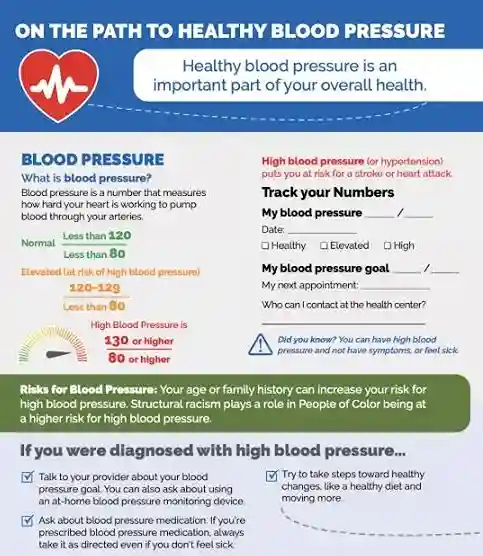
To stay motivated, track both your activity and your blood pressure:
For a proper understanding of the progress of the Benefits of Exercise for Hypertension, it should be tracked in a proper way. Then it will be a helpful evaluation of this approach. Here we are trying to explain some ways for its tracking of lowered blood pressure.
- Write down your home blood pressure readings on a regular basis.
- Note improvements in energy, sleep, and mood as per the prescribed format as per the recommendation of a professional.
Even small changes, like walking further than last month or lowering blood pressure by a few points, show progress.
Exercise Precautions With Medication
To get more Benefits of Exercise for Hypertension not only depends on regular physical exercise but also on continually taking medicine as per the direction of medical professionals to achieve the desired results. Especially those people who are already taking medicine should keep the points in mind as follows.
- When starting the effort for exercise, you should consult with your physician because some drugs, like beta-blockers, can lower your maximum heart rate. That may be harmful to your health. In this connection, you should perceive effort rather than heart rate monitors.
- At the time of physical exercise, you should take precautions to keep your body hydrated. Because diuretics may increase the risk of dehydration. To avoid this situation, take plenty of water in sufficient amounts.
- For emergency situations, you should keep your valid identification accompanied by a list of medications.
Contraindications of the Benefits of Exercise for Hypertension
Uncontrolled severe hypertension (BP ≥180/110 mmHg), uncontrolled cardiac arrhythmias, current heart attack, unstable angina and especially acute heart failure are considered absolute contraindications of exercise for hypertension.
Weightlifting, sprinting or high-intensity interval training (HIIT) are very dangerous because all of them act as spikes in blood pressure. In this situation, you should consult with doctors before starting any type of exercise.
Here we are exploring some exercise which contributes a significant spike in blood pressure –
- Heavy weightlifting: Extreme weightlifting can contribute to increasing blood pressure in the body, so it decreases the benefits of exercise.
- Isometric exercises: Exercises like planks or wall sits are considered isometric exercises, aiming to contract muscles without movement of any joints.
- High-intensity interval training (HIIT): The HIIT work process feels like the experience of little bursts of intense exercise followed by brief rest periods.
- Sprinting: Heavy sprinting can cause a sharp rise in blood pressure and create strain in the cardiovascular tract. Basically, it is used for body warm-up for people who are newly appearing in intense sprinting.
But always remember exercise is always important, but at the same time, you should accept your doctor’s recommendation for medication to stabilize your blood pressure.
How do we overcome these barriers
- Lack of time:
You make a plan for 30 minutes’ duration of exercise as you need, whether that may be aerobic or isometric, but before starting execution, you should always remember that all considered, exercise is not completed at a time.
For an effective outcome, you should break it into 10-minute sessions for each exercise, and after that short pause, and then complete another two short rest exercises.
In a simple calculation, you will take three pauses in the 30-minute duration exercise plan used for the natural remedies for high blood pressure.
- Low motivation:
To keep the consistency of regular physical activity benefits, you may join with any friend groups or any social media group for improving the motivation in this approach and make you more accountable in your aim.
- Bad weather:
Several types of exercise lower resting blood pressure and are outdoor-oriented; sometimes due to bad weather, practice may break down, so to keep this continuation, you may use options like stair climbing and stationary bikes. Also, May may chooseonline workout videos.
- Fear of injury:
Never expected its achievements to occur so suddenly. Research explains that the most effective algorithm is at the beginning; you should choose comparatively easier and low-impact activities, then gradually increase them to strengthen the heart.
Remember, exercise is not about perfection but about consistency.
FAQ on Benefits of Exercise for Hypertension
Can exercise replace medication?
Not always.
Perception applicable for people with mild hypertension people accompanied with life style modification, promotes lower blood pressure.
But cases of moderate and severe hypertension should follow medication accompanied by exercise.
Is walking enough?
Yes, walking is the most effective exercise for natural ways to lower blood pressure. To keep its remarkable result, you should increase its pace or distance.
Can older adults exercise safely?
Yes. In fact, staying active is especially important for older adults. Activities like walking, swimming, and light strength training are ways to lower blood pressure with proper guidance.
Can exercise really lower high blood pressure?
Yes. Regular exercise helps lower blood pressure naturally. It improves our blood vessel flexibility, making for a stronger heart. It also improves another physiological improvement, like reducing the secretion of stress hormones and promoting weight management. All those improvements lead to reducing systolic BP by 5–8 mmHg.
What type of best exercise for Benefits of Exercise for Hypertension
Aerobic exercises like brisk walking, swimming, and cycling are the most effective. Strength training and yoga can also help. A mix of aerobic and light resistance training is ideal for blood pressure control.
How much exercise per week is recommended for hypertension?
The WHO and American Heart Association recommend at least 150 minutes of moderate aerobic exercise (e.g., brisk walking) or 75 minutes of vigorous activity (e.g., jogging) weekly. Breaking it into 10–15 minute sessions is also effective.
Is exercise safe for people with high blood pressure?
Yes, but safety depends on the severity of hypertension. People with controlled BP can safely exercise, while those with severe hypertension (≥180/110 mmHg) should consult a doctor before starting.
Can strength training help with hypertension?
Yes. Light to moderate strength training builds muscle, improves metabolism, and supports weight control. However, avoid holding your breath or lifting very heavy weights, as these can cause spikes in blood pressure.
Does yoga reduce high blood pressure?
Yoga does not directly lower BP like aerobic exercise but helps by reducing stress, improving flexibility, and calming the nervous system. Relaxation and breathing practices in yoga support to Strengthens the heart
Are isometric exercises good for hypertension?
Yes. Isometric exercises (like planks or wall sits) strengthen muscles without movement and have been shown in recent studies (2023) to lower blood pressure significantly when practiced regularly.
Should hypertensive patients avoid high-intensity interval training (HIIT)?
HIIT can cause sharp spikes in BP and may not be safe for uncontrolled hypertension. Beginners and high-risk patients should stick to moderate-intensity workouts unless cleared by a doctor.
Does losing weight through exercise help lower BP?
Yes. People living with hypertension can reduce high blood pressure through reduce 5-10% body weight. Body weight is reduced by burn calories through regular exercise. So always maintain an ideal body weight and reduce visceral fat.
What time of day is best for exercising with hypertension?
As such, there is no fixed time to consider the ideal time for doing exercise to reduce hypertension. Preferred time is early morning or evening.
Getting more Benefits of exercise for Hypertension, it should be regular. Try to avoid right after a heavy meal or late at night.
What precautions should hypertensive people take before exercising?
Warm up and cool down for 5–10 minutes.
Stay hydrated.
Avoid breath-holding during lifts.
Monitor blood pressure regularly.
Stop immediately if you feel chest pain, dizziness, or unusual shortness of breath.
Can exercise improve the overall quality of life for hypertensive patients?
Absolutely. Regular exercise can bring different Benefits of Exercise for Hypertension like lowering of BP, and also boost your energy, strengthen your bones and muscles, improve the quality of sleep, and reduce the stress level. All those benefits have an impact on risk reduction on stroke, heart failure, kidney problem and overall improvement of life expectancy.
Conclusion
Through this content, it has been concluded that, to reduce or control hypertension or high blood pressure, exercise is a very effective approach that is well established by strong supporting evidence.
Exercise consistency promotes lower BP and better heart health. It also reduces stress and weight gain.
If you have high blood pressure, then exercise could help reduce blood pressure by a few mmHg, but it should be practiced on a daily basis. Even small steps like a 10-minute walk are effective in reducing your blood pressure.
Provides better heart health. You will notice a significant achievement through a combined approach of a balanced diet, regular medical care and good lifestyle habits.
Reference :
American Heart Association – High Blood Pressure & Physical Activity
National Heart, Lung, and Blood Institute (NHLBI) – Hypertension Treatment & Lifestyle Advice
Centers for Disease Control and Prevention (CDC) – Managing High Blood Pressure
CDC – Preventing High Blood Pressure with Physical Activity (exercise guidance)
Health.gov – Physical Activity Guidelines for Americans (official PA guidelines)
MedlinePlus – How to Prevent High Blood Pressure (NIH consumer health site)
World Health Organization (WHO) – Hypertension Topic Page (global hypertension info)
Mayo Clinic – Exercise to Lower High Blood Pressure (clinical advice)
Johns Hopkins Medicine – High Blood Pressure Prevention & Treatment
American College of Sports Medicine (ACSM) – Exercise & Hypertension Guidance
Medical News Today – Exercises to Avoid with High Blood Pressure
Manipal Hospitals Blog – Lifestyle & Hypertension Management
Healthline – Research on Exercise & Blood Pressure (article on exercise benefits)









https://shorturl.fm/Akr2D
https://shorturl.fm/IqyCI
https://shorturl.fm/0kBAa
https://shorturl.fm/Emftv
https://shorturl.fm/J7R32
https://shorturl.fm/9hIF7
https://shorturl.fm/r1F2q
https://shorturl.fm/KTTEV
https://shorturl.fm/wxayg
https://shorturl.fm/fJeKR
Very rich full content
Can you be more specific about the content of your article? After reading it, I still have some doubts. Hope you can help me.
Can you be more specific about the content of your article? After reading it, I still have some doubts. Hope you can help me. https://www.binance.bh/register?ref=IHJUI7TF
I don’t think the title of your article matches the content lol. Just kidding, mainly because I had some doubts after reading the article.
Thank you for your sharing. I am worried that I lack creative ideas. It is your article that makes me full of hope. Thank you. But, I have a question, can you help me?
Can you be more specific about the content of your article? After reading it, I still have some doubts. Hope you can help me.