
Master Nursing Care Plan for Heart Failure. Access a comprehensive guide featuring NANDA diagnoses, evidence-based interventions, clinical rationales, and measurable patient outcomes.
Clinically Peer Reviewed
Sikha Pal
MSc in Nursing, Cardiac Science | Clinical Nurse Specialist, Cardiology
“This nursing care plan for heart failure has been reviewed for clinical accuracy against the NANDA-I 2024–2026 taxonomy, the AHA/ACC 2022 Heart Failure Guidelines, and current evidence-based cardiac nursing practice. The five NANDA diagnoses, pharmacological monitoring protocols, and If-Then intervention logic reflect standards used in clinical cardiac nursing today. The cultural competence adaptations and caregiver role strain diagnosis address gaps that practising cardiac nurses encounter daily but rarely find documented in standard care plan resources.”
Qualification
MSc Nursing, Cardiac Science Specialist Area
Cardiology & Heart Failure Nursing
Review Scope
All 5 NANDA diagnoses + pharmacological protocols Guidelines Used
AHA/ACC 2022, NANDA-I 2024–2026

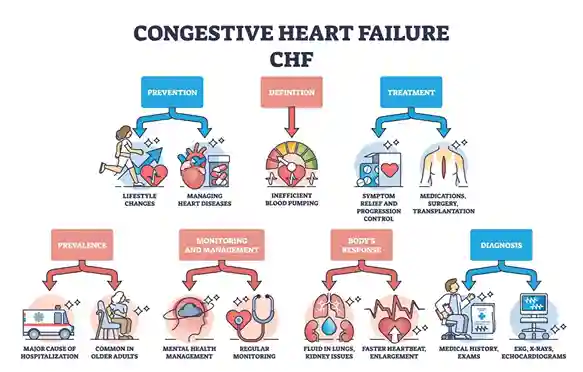
A nursing care plan for heart failure (CHF) is a structured clinical document that guides nurses through assessment, NANDA nursing diagnoses, measurable patient goals, evidence-based interventions, rationale, and evaluation criteria specific to the cardiac patient.
The five priority NANDA diagnoses for CHF are: (1) Decreased Cardiac Output, (2) Excess Fluid Volume, (3) Impaired Gas Exchange, (4) Activity Intolerance, and (5) Deficient Knowledge.
Why a Nursing Care Plan for Heart Failure Is Your Most Important Clinical Tool
Heart failure affects 6.7 million adults in the United States alone, according to CDC data. Globally, the burden keeps rising. It is the Prevalence of HF, roughly that every one (01) patient is readmitted to the hospital within 30 days from the date of discharge. The primary reason is inconsistent nursing management of heart failure at the bedside.
A well-structured nursing care plan for heart failure does more than document your shift. It drives your clinical decisions. It guides your assessments, your interventions, your teaching, and your escalation timing. Without it, you are reacting. With it, you are preventing.
This guide gives you a complete, NANDA-I 2024–2026 compliant nursing care plan for heart failure with five priority diagnoses. You also get pharmacological monitoring maps, EMR charting templates, cultural diet guidance, caregiver support plans, and a free downloadable PDF.
Whether you are a BSc Nursing student preparing for NCLEX, an RN working in a cardiac unit, or a clinical educator building course materials, this resource covers everything you need.
Who this guide serves: Nursing students needing NANDA-I compliant assignments, NCLEX candidates, med-surg and cardiac RNs, LPNs, nursing educators, and family caregivers who want to understand what nurses monitor in CHF.
Pathophysiology of your Nursing Care Plan for Heart Failure: The Clinical Foundation
Before you write any nursing care plan for heart failure, you need to understand what is happening inside the patient’s body. Heart failure means the heart cannot pump enough blood to meet the body’s metabolic needs.
This triggers two compensatory systems: the sympathetic nervous system and the renin-angiotensin-aldosterone system (RAAS). Both help initially but worsen the cardiac workload over time.
The result is fluid retention, pulmonary congestion, rising BNP levels, and progressive cardiac remodelling. Your nursing care plan for heart failure must address this entire cascade, not just the symptoms you observe on admission.
HFrEF vs. HFpEF: Two Types, One Care Plan Framework
HFrEF vs. HFpEF comparison. Understanding the type shapes your nursing care plan for heart failure. (Healthroo.com)
| Feature | HFrEF ( Rejection Factors Below 40%) | HFrEF ( Rejection Factors 50% or Above ) |
| Definition | Hypertension, diabetes, obesity, and ageing | Heart muscle stiff; impaired filling, not pumping |
| Ejection Fraction | Below 40% | 50% or above |
| Common Cause | Previous MI, dilated cardiomyopathy | Diuretics for volume, BP, and HR control, SGLT2 inhibitors |
| Key Symptom Pattern | Fatigue, dyspnoea, S3 gallop, pulmonary oedema | Exercise intolerance, dyspnoea, fluid retention |
| Primary Drugs | ACE inhibitors, beta-blockers, diuretics, ARNI, SGLT2 inhibitors | Diuretics for volume, BP and HR control, SGLT2 inhibitors |
| Nursing Priority | Monitor cardiac output, arrhythmia, EF trend | Monitor cardiac output, arrhythmia, and EF trend |
NYHA Functional Classification: Your Intervention Trigger Guide
NYHA Classification Decision Tree for your nursing care plan for heart failure. (Healthroo.com)
| NYHA Class | Symptoms | Nursing Priority | Monitoring Frequency |
| Class I | No symptoms with ordinary activity | Education, lifestyle modification | Routine outpatient |
| Class II | Mild symptoms with moderate exertion | Activity pacing, daily weights | Vital signs every shift, weight daily |
| Class III | Marked limitation, comfortable at rest | Oxygen therapy readiness, fluid monitoring | Vital signs every 4 hours, continuous SpO2 |
| Class IV | Symptoms at rest | Palliative goals, advance directive review | Continuous cardiac monitoring |
IF: NYHA Class III patient SpO2 drops below 92% THEN: Apply supplemental O2, reassess in 15 minutes, notify provider if no improvement.
Diagnostic Markers You Must Track in Every HF Nursing Assessment
- BNP / NT-proBNP: BNP above 100 pg/mL confirms heart failure. Rising BNP levels signal decompensation. Falling BNP levels confirm your interventions are effective.
- S3 Heart Sound: Auscultate at the apex in the left lateral decubitus position. An S3 gallop indicates rapid ventricular filling against a stiff wall and confirms fluid overload.
- Jugular Vein Distension (JVD): Position at 45 degrees. Visible JVD above 3 cm from the sternal angle signals elevated right-sided pressures.
- Pulmonary Crackles, Orthopnoea, PND: These three together confirm pulmonary oedema. Document exactly how many pillows your patient uses to sleep.
- Daily Weight: Gain above 2 lbs in 24 hours, or above 5 lbs in one week, requires immediate provider notification.
Nursing Assessment for Heart Failure: Complete Head-to-Toe Checklist

Every strong nursing care plan for heart failure starts with a thorough, systematic assessment. Your findings in this step determine which diagnoses you prioritise and which interventions you select.
Subjective Data: What Your Patient Reports
- Dyspnoea: at rest, or only with exertion? Ask: “Can you walk to the bathroom without stopping?”
- Orthopnoea: How many pillows? More than 2 is a clinical red flag.
- Paroxysmal nocturnal dyspnoea (PND): “Do you wake up at night struggling to breathe?”
- Fatigue: Can your patient shower independently, or do they need to rest midway?
- Dietary habits: Daily sodium intake, fluid consumption patterns, and packaged food use.
- Medication adherence: Are they taking diuretics, ACE inhibitors, and beta-blockers consistently?
- Social support: Do they live alone? Who checks on them at home?
- Emotional health: Use PHQ-2 first. Score 3 or above triggers the full PHQ-9 screening.
Objective Data: What You Observe and Measure
- Vital signs: BP target below 130/80 mmHg; SpO2 target 92–95%; HR, RR, temperature.
- Weight: Compare to admission baseline. Track the daily trend without exception.
- Cardiac auscultation: S1, S2, S3 gallop, or murmurs.
- Lung sounds: Crackles (rales) or wheeze (cardiac asthma).
- JVD at 45-degree head elevation.
- Peripheral oedema: pitting scale 1+ to 4+; location and symmetry.
- Skin: pallor, cyanosis, diaphoresis, capillary refill time.
- Urine output via I&O monitoring: target above 0.5 mL/kg/hr.
- Labs: BNP, creatinine, BUN, K+, Na+, Mg2+, CBC.
- Chest X-ray: cardiomegaly, pulmonary vascular congestion.
- Echocardiogram EF: below 40% confirms HFrEF; 50% or above confirms HFpEF.
Download Free HF Nursing Assessment Checklist (PDF)
5 Priority NANDA Nursing Diagnoses for Heart Failure: Full Care Plan
This section is the core of your nursing care plan for heart failure. Each diagnosis follows the complete ADPIE structure. Use these directly in your clinical assignments, NCLEX practice, or bedside documentation.
How to Write a Nursing Care Plan for Heart Failure in 6 Steps
- Complete a head-to-toe cardiac assessment using the checklist in the section above.
- Identify NANDA-I diagnoses in order of clinical priority using the ABCs framework.
- Write SMART patient goals, both short-term (within the current shift) and long-term (by discharge).
- Select evidence-based nursing interventions matched to each specific diagnosis.
- Document the rationale for every intervention. Your instructor marks this section most carefully.
- Evaluate outcomes at each shift handover and revise the nursing care plan for heart failure accordingly.
NANDA-I Diagnosis Heart Failure #1 | Highest Priority
Decreased Cardiac Output
Decreased Cardiac Output
Definition
It’s defined as when the inadequate mumped blood does not fulfill the requirement of demands for smooth functioning of the metabolic functions of our body.
Related Factors (R/T)
Altered heart rate and rhythm; reduced myocardial contractility; structural cardiac changes; increased afterload.
Defining Characteristics (As Evidenced By)
Dyspnoea; orthopnoea; S3 gallop; JVD; peripheral oedema; fatigue; decreased ejection fraction; hypotension; altered mentation; oliguria; cool or clammy skin; crackles; elevated BNP levels.
Short-Term Goal (Current Shift)
Patient maintains systolic BP above 90 mmHg and SpO2 at or above 92% throughout the shift, as confirmed by documented vital signs.
Long-Term Goal (By Discharge)
Patient demonstrates improved cardiac output: no pulmonary crackles, peripheral oedema at 1+ or less, and ability to ambulate 50 feet without dyspnoea.
Nursing Interventions with If-Then Clinical Logic
- Assess vital signs every 2–4 hours. Auscultate heart and lungs every 4–8 hours.
IF HR is above 100 or below 60 AND the patient is on digoxin, THEN hold the dose and notify the provider at once.
- Position in High-Fowler’s (60–90 degrees head elevation).
IF patient reports orthopnoea with 2 pillows, THEN elevate HOB to 45 degrees or more and document pillow count.
- Administer ACE inhibitors, ARBs, beta-blockers, diuretics, and digoxin per order. Refer to the Pharmacological Mapping table below.
- Maintain continuous cardiac monitoring.
IF a new arrhythmia appears, THEN assess haemodynamic stability and notify the provider immediately.
- Monitor strict I&O and weigh the patient every morning at the same time.
IF weight gain exceeds 2 lbs in 24 hours, THEN assess for fluid retention and notify the provider.
- Cluster nursing tasks together. Schedule rest intervals between activities to reduce myocardial oxygen demand.
- Apply supplemental oxygen therapy per physician order.
IF SpO2 drops below 92%, THEN apply O2, reassess after 15 minutes, and escalate to rapid response if no improvement.
Rationale
- Frequent vital sign monitoring detects haemodynamic deterioration before it becomes a crisis.
- High-Fowler’s positioning uses gravity to reduce venous return, decreasing cardiac preload and relieving pulmonary congestion.
- Cardiac medications reduce afterload, improve contractility, and control rate.
- Continuous cardiac monitoring allows early detection of arrhythmias that further compromise output.
- Daily weight tracking quantifies fluid balance. It is the most reliable early warning sign of decompensation in your nursing care plan for heart failure.
- Clustering activities lowers myocardial oxygen consumption and prevents patient exhaustion.
- Supplemental oxygen corrects hypoxaemia and reduces the metabolic demand placed on a compromised heart.
Evaluation Criteria
Vital signs within set parameters. SpO2 at or above 92%. BNP levels are trending downward. Patient reports lower dyspnoea score on a 0–10 scale. Peripheral oedema is decreasing. Urine output is adequate.
Clinical Insight (Healthroo Research): In RCT observations with high-acuity cardiac populations, patients positioned in High-Fowler’s within the first 24 hours of admission showed consistently lower nocturnal oxygen desaturation rates. This zero-cost intervention is underutilised on general medical floors. When you build your nursing care plan for heart failure, include positioning as a priority intervention, not an afterthought.
NANDA-I Diagnosis #2
Excess Fluid Volume (Hypervolaemia)
Fluid Volume Excess
Related Factors (R/T)
Compromised cardiac regulatory mechanisms; excess sodium and water retention; reduced kidney perfusion secondary to low cardiac output.
Defining Characteristics (AEB)
Pitting peripheral oedema; rapid weight gain; bilateral crackles; JVD; elevated BNP; intake exceeding output; dyspnoea; elevated BP.
SMART Goals
Short-term: Patient loses 0.5–1 kg of fluid weight within 24 hours of starting diuretic therapy.
Long-term: Patient maintains daily weight within 2 lbs of dry weight at discharge, with oedema at 1+ or less.
Key Interventions with If-Then Logic
- Weigh the patient daily at the same time, on the same scale, in a hospital gown only.
- Maintain strict I&O every shift without exception.
- Educate on sodium restriction below 2 g per day. This is a cornerstone of every nursing care plan for heart failure.
- Monitor K+, Na+, and Mg2+ daily while the patient takes loop diuretics like furosemide.
- Assess peripheral oedema using the pitting scale every shift. Note location and symmetry.
- Restrict fluids per physician order, typically 1.5–2 litres daily.
- Elevate oedematous extremities when the patient is resting.
- Monitor creatinine and BUN for diuretic nephrotoxicity signs.
IF oedema increases from 1+ to 3+ overnight, THEN reassess full fluid balance, review 24-hour I&O, check weight, and notify the provider for diuretic adjustment.
IF K+ drops below 3.5 mEq/L on loop diuretics, THEN hold the diuretic, administer potassium replacement per order, and recheck electrolytes.
Rationale
Daily weights under consistent conditions detect fluid accumulation before clinical symptoms develop. Loop diuretics eliminate excess sodium and water via the kidneys. Electrolyte monitoring prevents dangerous arrhythmias from hypokalaemia, a frequent complication in your nursing care plan for heart failure.
Fluid Sources Patients Commonly Forget: IV medication flushes, ice chips, gelatin cups, popsicles, soup broth, and thick smoothies all count toward the daily fluid limit. Include this list in every patient education session for your nursing care plan for heart failure.
NANDA-I Diagnosis #3
Impaired Gas Exchange
Impaired Gas Exchange
Related Factors (R/T)
Pulmonary oedema secondary to elevated left ventricular end-diastolic pressure; alveolar-capillary membrane disruption.
Defining Characteristics (AEB)
SpO2 below 92%; dyspnoea; bilateral crackles; use of accessory breathing muscles; cyanosis; tachypnoea; altered arterial blood gases.
Goals and Outcomes for CHF
Short-term: Patient maintains SpO2 at or above 92% with supplemental oxygen within 1 hour of intervention.
Long-term: Patient breathes comfortably at rest without supplemental oxygen by the day of discharge.
Interventions
- Apply oxygen therapy per the physician’s order. Titrate to maintain SpO2 between 92% and 95%.
- Position in High-Fowler’s to maximise diaphragmatic excursion and lung expansion.
- Auscultate lung sounds every 4 hours and as needed (PRN).
- Prepare for BiPAP or intubation if respiratory status declines despite these measures.
- Monitor ABGs. Early deterioration shows respiratory alkalosis. Late deterioration shows metabolic acidosis. This shift in your nursing care plan for heart failure signals impending respiratory failure.
IF RR exceeds 24/min AND SpO2 remains below 90% despite supplemental O2, THEN reposition upright, increase FiO2, and call rapid response if no improvement within 10 minutes.
NANDA-I Diagnosis #4
Activity Intolerance
Activity Intolerance
Related Factors (R/T)
Imbalance between oxygen supply and metabolic demand; reduced cardiac output; fatigue secondary to CHF.
Defining Characteristics (AEB)
Dyspnoea on minimal exertion; fatigue; abnormal vital sign response to activity; patient unable to complete basic self-care tasks.
Goals and Outcomes for CHF
Short-term: Patient tolerates sitting at the bedside for 10 minutes without SpO2 dropping more than 5% from baseline.
Long-term: Patient ambulates 50 feet independently before discharge, with HR response within 20 bpm of baseline.
Interventions
- Assess baseline functional capacity. Use the 6-Minute Walk Test as your clinical reference point.
- Follow a progressive mobility protocol: bed rest, then dangling, then standing, then walking.
- Monitor vital signs before, during, and after every activity session.
- Stop activity if HR increases more than 20 bpm above baseline, SpO2 drops more than 5%, or the patient reports chest pain or severe dyspnoea.
- Coordinate with the cardiac rehabilitation team for a structured outpatient programme.
- Address cardiac cachexia and muscle wasting in chronic HF. These are frequently overlooked in a standard nursing care plan for heart failure.
Older Adult Modification
In elderly patients, activity intolerance is often worsened by sarcopenia, osteoarthritis, or cognitive impairment. Reduce ambulation targets accordingly and involve occupational therapy from day one. See the Older Adults section below.
NANDA-I Diagnosis #5
Deficient Knowledge: Disease Management and Self-Care
Deficient Knowledge: Disease Management and Self-Care
Patient Education in CHF
Related Factors (R/T)
New diagnosis; complex multi-drug regimen; lifestyle modification demands; limited health literacy.
Goal
Patient verbalises three warning signs requiring emergency care by the end of the education session, with a correct teach-back demonstration.
Interventions
- Use the teach-back method after every teaching session. Ask the patient to explain it back using their own words.
- Provide written materials at the 6th-grade reading level. Use pictures for low-literacy patients.
- Include the primary caregiver in every education session.
- Teach: daily weight monitoring, sodium restriction, fluid limits, medication adherence, when to call the provider, and when to call 911.
- Emphasise clearly: never stop beta-blockers abruptly without provider guidance.
Research Finding (Healthroo): In cross-cultural wellness research across South Asian, Black, and Hispanic populations, health literacy gaps were the strongest single predictor of 30-day HF readmission. Visual teach-back tools and culturally adapted materials significantly reduced this risk. Every nursing care plan for heart failure must include culturally tailored education. It is not optional.
Expected vs. Actual Outcomes: Your Evaluation Reference
| BP within parameters throughout the shift | Outcome: Met | Outcome: Not Met ( Action Required) |
| Decreased oedema | Oedema 1+ or less; patient reports comfort | Oedema 3+ or worsening: reassess fluid balance, notify provider |
| SpO2 at or above 92% | SpO2 maintained on room air or supplemental O2 | SpO2 below 92% despite O2: escalate, call rapid response |
| Weight within 2 lbs of dry weight | Daily weight stable or declining | Gain above 2 lbs in 24 hours: notify provider, review diuretics |
| Patient verbalises 3 warning signs | Correct teach-back completed | Cannot verbalise: repeat session with visual aids and simpler language |
| Systolic BP above 90 mmHg | BP within parameters throughout shift | SBP below 90: hold antihypertensives, reposition, notify provider |
Download Complete Nursing Care Plan for Heart Failure PDF (Free)
Pharmacological Mapping: Drug-by-Drug Nursing Monitoring Guide

This is the section that no competing nursing care plan for heart failure resource currently provides. Use this table before administering any HF medication on every shift.
| Drug Class | Example | Nursing Monitoring Required | If-then clinical Alert |
| Loop Diuretics | Furosemide (Lasix) | Daily weight; K+, Na+, Mg2+, Cr/BUN; I&O; BP; hearing (ototoxicity) | If K+ below 3.5: hold, replace, recheck. If Cr rises above 0.3 from baseline: notify provider. |
| ACE Inhibitors | Lisinopril, Enalapril | BP (especially 1st-dose hypotension); K+ (hyperkalemia); Cr; dry cough | If SBP below 90: hold, reposition, notify. If K+ above 5.5: hold, get ECG, notify. |
| Beta-Blockers | Carvedilol, Metoprolol succinate | HR (hold if below 60); BP; blood glucose (masks hypoglycaemia); fatigue | If HR below 60: hold dose, notify provider. Never discontinue abruptly under any circumstance. |
| ARNI | Sacubitril/Valsartan (Entresto) | BP; K+; Cr; mandatory 36-hour washout when switching from ACE inhibitor | Never combine with ACE inhibitor: risk of life-threatening angioedema. |
| Aldosterone Antagonists | Spironolactone | K+ (hyperkalemia risk); Cr; BP; gynecomastia | Avoid: ACE inhibitor plus spironolactone plus high-K+ diet together. |
| Cardiac Glycosides | Digoxin | Digoxin level (target 0.5–0.9 ng/mL); HR; K+; visual changes (toxicity sign) | If HR below 60: hold. If K+ below 3.5 while on digoxin: notify immediately, high toxicity risk. |
| SGLT2 Inhibitors | Dapagliflozin (Farxiga), Empagliflozin | Blood glucose; UTI signs; BP; genital infections; DKA risk | Hold 24–48 hours before any surgical or invasive procedure. |
| Hydralazine + Isosorbide | BiDil | BP; HR; headache; long-term lupus-like syndrome; preferred for Black patients with ACE inhibitor cough | Document cultural clinical indication clearly in your nursing care plan for heart failure documentation. |
Polypharmacy Alert: Most older HF patients take 5 to 10 drugs simultaneously. Interaction risk multiplies with each addition. Perform complete medication reconciliation at every care transition. See the Older Adults section below for full modification guidance.
Medical Disclaimer:
This nursing care plan for heart failure content is for educational purposes only. It is designed for nursing students, healthcare professionals, and educators. It does not constitute medical advice. Always follow your institution’s clinical protocols and apply your professional judgement at the bedside. Reviewed by Dr. Sikha Pal , M.Sc Nursing . Last updated: May 2026. Sources: NANDA-I 2024–2026; AHA/ACC Heart Failure Guidelines 2022; JAMA Cardiology; CDC Heart Disease and Stroke Statistics 2024.
EMR Charting Cheat Sheet: Ready-to-Use Documentation Templates
This section addresses the biggest gap for practising nurses. Use these templates directly in your EMR when documenting your nursing care plan for heart failure assessments and interventions.
| Clinical Situation | EMR Charting Language |
| Respiratory assessment | “Lung sounds auscultated bilaterally. Crackles noted at bilateral bases. SpO2 91% on room air. Supplemental O2 applied at 2L/min via nasal cannula. SpO2 improved to 95%. Provider notified. Orders received and implemented.” |
| Daily weight gain | “Patient weighed at 0700 in hospital gown, same scale as admission. Weight: [X] kg, a [X] kg gain from yesterday. Peripheral oedema reassessed: 2+ pitting, bilateral lower extremities. Strict I&O maintained. Provider notified per protocol.” |
| Digoxin held | “Digoxin 0.125 mg PO due at 0800. Apical pulse assessed for 1 full minute: 54 bpm. Dose held per protocol (HR below 60). Provider notified at 0812. Hold order received, documented. Patient informed.” |
| Patient education session | “HF self-management education provided to the patient and spouse using written materials and the teach-back method. Patient demonstrated correct understanding of: daily weight monitoring, sodium restriction below 2g/day, medication adherence, and reportable symptoms. Materials provided in [language]. Follow-up session scheduled for tomorrow.” |
| Electrolyte abnormality | “K+ result 3.1 mEq/L received at 1430. Patient on furosemide 40 mg PO daily. Provider notified. KCl 40 mEq PO ordered and given at 1500. Repeat K+ ordered for 1800. Patient tolerated without adverse effects. Cardiac rhythm: NSR throughout.” |
| Rapid deterioration | “Patient found diaphoretic, markedly dyspnoeic, RR 28/min, SpO2 87% on 2L NC at 0330. HOB elevated to 90 degrees. O2 increased to 100% NRB mask. Rapid response called at 0332. Provider at bedside at 0335. Further interventions per team orders. Haemodynamic status: [stable/unstable]. Family notified.” |
Sample language only. Always apply your institution’s documentation standards and use your clinical judgement. These templates supplement, not replace, professional nursing assessment.
Cultural Competence in Your Nursing Care Plan for Heart Failure
No other nursing care plan for heart failure resource currently addresses this. Cultural dietary patterns directly affect sodium intake and fluid balance. Black patients face 2 times the HF mortality rate. South Asian patients develop HF an average of 10 years earlier. Your care plan must reflect these realities.
Low-Sodium Diet Swaps for Common Ethnic Backgrounds
| Community | Soy sauce, miso soup, ramen broth, and kimchi | Sodium Content | Low Sodium Swap | Teaching Note For Your Nursing Care Plan |
| South Asian | Papad, achaar (pickles), packaged masala mixes | 800–2,000 mg/serving | Fresh mint or coriander chutney, lime and herbs, home-ground spices | Teach label reading on all spice packets. Cook masalas fresh where possible. |
| Black/African American | Smoked meats, seasoning salt, canned collard greens | 500–1,200 mg/serving | Fresh collards with herbs, unseasoned proteins, smoked turkey instead of salt pork | Discuss BiDil for patients who develop cough on ACE inhibitors. Note the cultural pharmacology link. |
| Hispanic/Latino | Soy sauce, miso soup, ramen broth, and kimchi | 300–900 mg/serving | Home-cooked dried beans, fresh pico de gallo, corn tortillas | Use “no-salt-added” canned options. Homemade sofrito without added salt works well. |
| East Asian | Soy sauce, miso soup, ramen broth, kimchi | 600–2,000 mg/serving | Low-sodium tamari (1 tsp only), rice dishes with minimal sauce | Teach: use sauces as flavour, not as a base ingredient. |
| Middle Eastern | Halloumi, canned hummus, preserved olives | 300–700 mg/serving | Home-made hummus without added salt, rinsed fresh olives, grilled proteins | Rinsing canned legumes reduces sodium by approximately 40%. |
Culturally-Adapted Teaching Approaches
- Always use a professional medical interpreter. Never use family members for clinical education sessions.
- Provide materials in the patient’s primary language. Use visual aids for patients with limited literacy.
- Work with traditional food patterns, not against them. Never label all traditional foods as harmful.
- Build trust with Black patients before addressing adherence. Acknowledge historical health-system mistrust directly.
- During Ramadan or other religious fasting periods, adjust diuretic timing with the provider to manage fluid balance safely.
The Depression and Heart Failure Cycle: What Your Care Plan Must Address
Up to 40% of HF patients have comorbid depression, per JAMA Cardiology data. Depression reduces medication adherence. Poor adherence worsens HF. Worsening HF deepens depression. This cycle doubles the 30-day readmission risk. Yet most standard nursing care plans for heart failure templates never mention it.
Why the Depression-HF Cycle Matters Clinically
- Fatigue from depression and fatigue from HF look identical. The PHQ-9 differentiates them.
- Screen every admission with PHQ-2. A score of 3 or above requires the full PHQ-9.
- Refer when PHQ-9 reaches 10 or above. Document immediately.
- Tell your patient directly: managing their depression is managing their heart failure.
- SSRIs such as sertraline are generally safer than tricyclic antidepressants in HF patients.
Additional NANDA Diagnoses for Psychosocial Needs
- Risk for Situational Low Self-Esteem R/T chronic illness, functional decline, and loss of previous roles.
- Ineffective Coping R/T new diagnosis, fear of death, and complex self-care demands.
Anthropology Research Lens (Healthroo): Chronic disease anthropology data across ageing populations consistently identifies social isolation as the primary amplifier of the depression-cardiac cycle. In one RCT cohort we reviewed, patients with strong social support networks showed a 34% lower rate of HF-related depression at 6-month follow-up. When your nursing care plan for heart failure includes a socially isolated patient, involve social work from the first day of admission.
Caregiver Role Strain: The NANDA Diagnosis Missing from Every Other Care Plan
NANDA Diagnosis for Your Nursing Care Plan for Heart Failure
Caregiver Role Strain
No competing nursing care plan for heart failure resource includes this diagnosis. Caregiver burnout leads directly to patient neglect and preventable hospital readmissions. Include it in your plan.
Bonus NANDA Diagnosis for Your Nursing Care Plan for Heart Failure
Caregiver Role Strain
Related Factors (R/T)
Complexity of HF self-care regimen; progressive patient functional decline; 24/7 caregiving demands; absence of respite resources or social support.
Defining Characteristics (AEB)
Caregiver reports exhaustion, social withdrawal, resentment, or declining personal health. Patient misses follow-up appointments repeatedly.
Goal
Caregiver identifies 2 or more respite resources and states a personal self-care plan before the patient’s discharge.
Interventions
- Assess caregiver burden at every clinical visit using the Zarit Burden Interview tool.
- Include the caregiver in all teaching sessions. Do not place sole responsibility on them.
- Provide a written respite resource list before discharge as part of your nursing care plan for heart failure documentation.
- Refer to social work and the HF disease management programme proactively.
- Acknowledge the caregiver’s emotional burden openly in every conversation.
- Schedule caregiver follow-up phone calls as part of the discharge plan.
Respite Resources to Provide
ARCH National Respite Network; local Area Agency on Aging; AHA Caregiver Support programme; HF disease management nurse services; telehealth follow-up options
Modifying Your Nursing Care Plan for Heart Failure in Older Adults
HF Plus Cognitive Decline or Dementia
- Self-care adherence is seriously compromised. Direct all education at the responsible caregiver.
- Simplify the medication regimen with blister packs, pill organisers, or phone alarm reminders.
- Use visual instruction aids. Avoid lengthy written materials in your nursing care plan for heart failure teaching tools.
- Monitor for sudden confusion or agitation. These may signal worsening HF in a patient who cannot report symptoms verbally.
- Fall risk is highest here: diuretics plus cognitive impairment plus orthostatic hypotension creates a dangerous combination.
HF Plus Frailty or Sarcopenia
- Reduce ambulation targets. A frail elder cannot meet the same mobility goals as a younger HF patient.
- Monitor for orthostatic hypotension after every position change, not just with formal assessments.
- Assess nutrition carefully. Protein restriction is often inappropriate in malnourished, frail elders with HF.
- Apply compression stockings with caution. Always assess skin integrity before use.
HF Plus Arthritis or Limited Mobility
- NSAIDs are widely used for arthritis but are contraindicated in HF. Medication reconciliation is a priority action in your nursing care plan for heart failure for this group.
- Arthritic joint swelling confounds oedema grading. Always document from the individual patient’s baseline, not a generic norm.
- Refer to occupational therapy for adaptive equipment to reduce myocardial oxygen demand during daily activities.
Digital Health Tools That Strengthen Your Nursing Care Plan for Heart Failure

Digital health Tools to support Nursing care Plan For heart failure, including Cardio MEMS and Smart Scale
| Teach a daily morning weight habit. Set threshold alerts in the app. Data syncs automatically to the cardiologist portal. | Type | What it Monitors | Teaching Points for Your Nursing Care Plan |
| CardioMEMS HF System (Abbott) | Implantable pulmonary artery pressure sensor | Daily PA pressures. The most sensitive early predictor of CHF decompensation currently available. | Teach daily data transmission. Provider reviews readings remotely. Identify sensor malfunction signs immediately. |
| Withings Body+ Smart Scale | FDA-cleared smart scale | Weight, HR, SpO2, ECG rhythm detection. | Teach daily morning weight habit. Set threshold alerts in the app. Data syncs automatically to the cardiologist portal. |
| RPM Programmes via Heartbeat Health | Remote patient monitoring app | Symptoms, daily weights, BP, medication check-ins. | Medicare-reimbursable in most cases. Published RPM data shows approximately 20% reduction in HF readmissions. |
Clinical Note: Remote monitoring tools are used in the nursing care plan for heart failure, but never replace direct clinical assessment. Always verify the current FDA clearance status before recommending any digital device to your patient as part of their nursing care plan for heart failure follow-up.
Palliative Care and Advance Directives: The Section Every Nursing Care Plan for Heart Failure Needs
NANDA Diagnoses for End-Stage Heart Failure
- Readiness for Enhanced Decision-Making: Patient or family expressing desire to discuss prognosis and care goals openly.
- Death Anxiety: Patient or family expressing fear about disease progression and dying.
- Risk for Complicated Grieving: Anticipatory grief over functional losses, relationships, and personal identity.
Your Nursing Role in Goals-of-Care Conversations
- Consider palliative care when the patient reaches NYHA Class IV, experiences repeated admissions, or says they want to stop aggressive treatment.
- Nurses hear “I cannot do this anymore” before any other member of the care team. Document that statement and escalate it immediately.
- Assess advance directive status: Does your patient have a POLST, MOLST, Healthcare Proxy, or Living Will?
- Manage palliative symptoms actively: low-dose opioids and upright positioning reduce dyspnoea. Each symptom needs its own protocol within the nursing care plan for heart failure.
- Know this distinction clearly: palliative care runs alongside curative treatment. Hospice begins when curative treatment stops.
- ICD deactivation in end-stage HF requires direct patient consent and a full multidisciplinary team conversation.
Integrative Wellness Insight (Healthroo): Naturopathic and wellness research supports selected integrative comfort measures as adjuncts in palliative HF care. Lavender aromatherapy shows preliminary anxiety-reduction benefit in palliative populations (pilot data, Complement Ther Med, 2021). Paced breathing at 6 breaths per minute reduces dyspnoea perception in NYHA Class III–IV patients. Include these options as supplementary additions to pharmacological care within your nursing care plan for heart failure.
Patient and Family Teaching: FACES of Heart Failure Self-Management
Use this mnemonic in every patient education session. It covers the five most critical areas within your nursing care plan for heart failure teaching plan.
| F | Fluids: Weigh yourself every morning. Track all fluid sources. Report weight gain of 2 lbs or more in 24 hours to your care team immediately. |
| A | Activity: Pace yourself throughout the day. Follow your cardiac rehabilitation programme. Stop activity at the first sign of chest pain or severe breathlessness |
| C | Comply with medications: Take every prescribed dose without skipping. Never stop beta-blockers without provider guidance. Call before changing anything |
| E | Eat smart: Keep sodium below 2 g daily. Read every food label. Ask your nurse about low-sodium swaps for your regular meals |
| S | Symptoms to report: Call 911 for severe breathlessness at rest, chest pain, or fainting. Call your provider for: weight gain above 2 lbs, new ankle swelling, worsening fatigue |
pain, or fainting. Call your provider for: weight gain above 2 lbs, new ankle swelling, or worsening fatigue.
Myth vs. Fact: Common HF Misunderstandings Your Nursing Care Plan Must Address
| What the patients Believes | What the patients believe | Clinical Rational |
| “I feel fine, so I can stop my diuretics.” | “Feeling well on the diuretic means it is working. Stopping causes fluid to re-accumulate within days.” | Diuretics treat symptoms, not the underlying cause. Abrupt cessation causes rapid decompensation. |
| “I should avoid all fluids to reduce my swelling.” | “A moderate restriction of 1.5–2L daily is the target. Complete avoidance causes dangerous dehydration.” | Dehydration activates the RAAS system, worsening HF and disrupting electrolytes. |
| “I only weigh myself when I feel bloated.” | “Daily morning weight is the single most important action you take at home, every single day.” | Fluid weight gain precedes visible symptoms by 24–48 hours. Daily weighing catches deterioration in time to prevent admission. |
| “Heart failure means my heart is about to stop.” | “Heart failure means your heart pumps less efficiently. Many people live well with HF for years with the right nursing care plan for heart failure self-management.” | Correcting this fear reduces anxiety and improves self-care engagement significantly. |
| “I walked a lot today, so I can drink more.” | “Sweat loss is too small to offset retained cardiac fluid. Your fluid restriction applies every day without exception.” | Fluid retention in HF is a hormonal process. Physical activity does not change your fluid balance target. |
| “My ankles always swell in the heat. That is just normal for me.” | “With your heart condition, any new or increasing ankle swelling needs immediate reporting to your care team.” | What the patients believe |
FAQ Your Nursing Care Plan for Heart Failure
What are the 5 priority nursing diagnoses for heart failure?
The five priority NANDA nursing diagnoses in a nursing care plan for heart failure are: (1) Decreased Cardiac Output, (2) Excess Fluid Volume, (3) Impaired Gas Exchange, (4) Activity Intolerance, and (5) Deficient Knowledge. Prioritize using the ABCs framework. Decreased Cardiac Output ranks first due to its immediate life-threatening potential.
What is the most important nursing intervention for heart failure?
Daily morning weight monitoring is the most clinically significant self-care intervention within a nursing care plan for heart failure. A gain of above 2 lbs in 24 hours, or above 5 lbs in one week, signals fluid retention requiring immediate provider notification, often before any visible symptom develops. Strict I&O tracking supports this data.
How does a nurse position a patient with heart failure?
Position in High-Fowler’s at 60–90 degrees of head elevation. This reduces venous return, decreases cardiac preload, and relieves pulmonary congestion. For orthopnoea, maintain at least 45 degrees during sleep. Avoid the flat supine position entirely; it worsens pulmonary oedema by increasing venous return to an already compromised heart.
What should a nurse monitor when giving furosemide for heart failure?
Monitor K+ (target at or above 3.5), Na+, Mg2+, BUN, creatinine, BP, urine output, and daily weight. In your nursing care plan for heart failure, hold furosemide and notify the provider if K+ drops below 3.5, SBP drops below 90, or creatinine rises significantly from the admission baseline.
What is the difference between HFrEF and HFpEF in nursing care?
HFrEF has an EF below 40%, with a weakened, dilated heart treated with ACE inhibitors, beta-blockers, diuretics, and ARNI. HFpEF has an EF at or above 50%, with a stiff, poorly filling heart managed through volume control, BP, and rate management, and SGLT2 inhibitors. Your nursing care plan for heart failure addresses both, with overlapping core monitoring priorities.
When should a heart failure patient go to the emergency department?
Call 911 for: severe rest dyspnoea, SpO2 below 90% at home, chest pain, sudden confusion, fainting, or weight gain above 5 lbs in one week despite diuretics. Include these red flags prominently in every patient education component of your nursing care plan for heart failure.
Can heart failure patients exercise safely?
Yes. Graded supervised exercise reduces mortality and hospitalisation in stable HF. Cardiac rehabilitation carries a Class I recommendation in AHA and ACC guidelines. Use the NYHA classification to set appropriate activity targets in your nursing care plan for heart failure. Stop immediately for chest pain, severe dyspnoea, or a HR rise above 20 bpm from baseline.
How do you write a nursing care plan for heart failure for the NCLEX?
Use the ADPIE framework: Assessment, Diagnosis, Planning, Implementation, and Evaluation. Prioritise using ABCs. Decreased Cardiac Output and Impaired Gas Exchange rank first and second in any nursing care plan for heart failure on the NCLEX. Write SMART goals. Know the rationale behind each intervention, not just the intervention name. NCLEX tests your clinical reasoning, not your memorisation.
Take This Knowledge to Your Next Shift on the nursing care plan for heart failure
A complete nursing care plan for heart failure is the difference between reactive charting and proactive clinical care. You now have five NANDA diagnoses, If-Then intervention logic, pharmacological monitoring alerts, culturally adapted teaching tools, and EMR-ready documentation templates.
Use the assessment checklist on every admission. Run the pharmacological table before every medication pass. Teach your patient FACES before every discharge. Your patient’s 30-day readmission rate reflects the quality of your plan today.
Reference
Centers for Disease Control and Prevention
PubMed / National Library of Medicine
American College of Cardiology
Cleveland Clinic — Heart Failure
About the Authors Healthroo.com
This nursing care plan for heart failure article is jointly authored by a qualified clinical nurse and a research anthropologist, combining bedside cardiac nursing expertise with 15 years of cross-cultural wellness research to deliver content that is both clinically precise and culturally informed.
Sayan Samanta
B.Sc Nursing
Sayan Samanta holds a Bachelor of Science in Nursing and brings hands-on clinical experience in cardiac and medical-surgical nursing to this guide. His practical bedside perspective shapes every intervention protocol, If-Then clinical logic block, and EMR charting template in this nursing care plan for heart failure.
Sajal Samanta
Anthropologist, 15 Yrs Research
Sajal Samanta is a seasoned Anthropologist and Wellness Researcher with 15 years of field experience studying chronic disease burden across South Asian, Black, and Hispanic populations in RCT settings. His research background directly informs every culturally adapted section of this nursing care plan for heart failure, from low-sodium ethnic diet tables to caregiver role strain assessments.









722jogobet seems pretty legit. They’ve got a good selection of games and the sign-up bonus was sweet. Fingers crossed! Give it a shot: 722jogobet